

From Campuses to Communities : Building Africa’s Next Health Innovation Engine

Across Africa, innovation is not in short supply. Every year, universities produce brilliant research,bold ideas, and passionate young minds ready to solve the continent’s most pressing challenges.Yet, there is a gap. Only 5–8% of African startups originate from university incubators, and even fewer survivebeyond early stages. While ideas are abundant, pathways to transform them into scalable,impactful ventures remain fragmented.This is the challenge that the Afya Ventures Residence Program seeks to solve.Reimagining the Role of Universities● What if universities were not just centers of learning, but engines of venture creation?● What if students didn’t just graduate with degrees, but with scalable solutions, tested inreal communities?● What if innovation ecosystems were not isolated, but deeply interconnected acrossinstitutions, industries, and governments? The Afya Ventures Residence Program, under the Africa Health Collaborative (AHC), is built onthis vision. With the theme “From Campuses to Communities: Building a Cross-University HealthInnovation Ecosystem,” the program brings together universities, ecosystem enablers, and policyactors to co-create a structured and sustainable innovation pipeline. A New Model: Collaboration Over CompetitionTraditionally, universities operate in silos. Each institution builds its own programs, oftenduplicating efforts while missing opportunities for shared growth.Afya Ventures flips this model. Through partnerships with institutions such as:● Amref International University (AMIU)● Jomo Kenyatta University of Agriculture and Technology (JKUAT)● Kenya Medical Training College (KMTC) ● Kabarak University● University of Nairobi The program creates a collaborative innovation network where strengths are shared, not siloed.Engineering meets public health. Clinical expertise meets digital innovation. Entrepreneurshipmeets real-world community needs. Building a Sustainable Innovation Pipeline At its core, AfyaVentures is a system designed to:● Continuously identify and nurture high-potential innovators● Embed innovation within university structures● Equip faculty to lead and sustain venture-building ecosystems● Create repeatable, annual pipelines of venture creationThis is how ecosystems are built through institutionalized capacity. From Ideas to Impact: The Venture Residence ModelThe program is structured as a four-phase venture journey, guiding innovators from idea tomarket: Focusing on What Matters: Social Determinants of Health The program prioritizes innovation across key Social Determinants of Health (SDOH), including:● Maternal and child health● Nutrition and food systems● Climate and environmental health● Digital health access● Assistive technologies● Urban health and mobility● Community-based healthcare delivery By anchoring innovation in these areas, Afya Ventures ensures that solutions are innovative, relevant, inclusive, and impactful. Ecosystem Thinking: Beyond the UniversityTrue innovation does not happen in isolation. Afya Ventures bridges the gap between:● Universities (talent and research)● Industry (market access and product development)● Government (policy alignment and scale)● Communities (real-world validation and adoption) This integrated approach ensures that innovations are designed with the end-user in mind andsupported by the systems needed to scale. The Bigger Picture:Africa’s greatest asset is its youth but talent alone is not enough.We must build systems that:● Support young innovators● Enable experimentation and failure● Provide access to mentorship, capital, and markets● Translate ideas into enterprises Afya Ventures is a step in that direction.It is about moving from potential to pipeline, from ideas to implementation, and from campusesto communities.Because the future of health innovation in Africa will not be built in isolation but together.The official call for applications for the young innovators is set to happen this May 2026 across thevarious partner universities. More information on the applications will be shared. smm panel
Bridging Academia, Innovation, and Health Systems: AMIU and KU Convene for Impactful Continuous Mentorship Education Forum
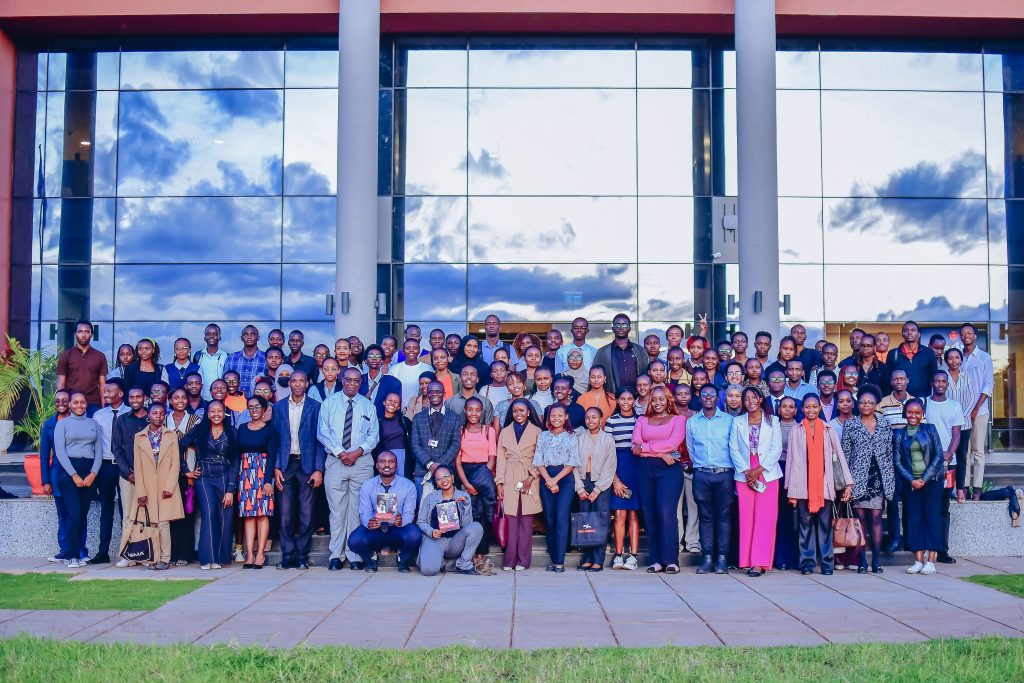
On 22nd April 2026, Amref International University (AMIU) hosted a dynamic Continuous Mentorship Education (CME) forum at Nile Hall, bringing together students, alumni, faculty, and partners from Kenyatta University College of Health Sciences (KU). Guided by the theme “Bridging Academia, Innovation and Health Systems for Lasting Change in Communities,” the forum created a powerful platform for knowledge exchange, mentorship, and forward-looking dialogue. The day commenced with guest registration and networking, setting the tone for an engaging and collaborative experience. Setting the Stage: Inspiring Opening Remarks The official program began with warm welcome remarks by Alice Thuitai, Career Guidance and Student Outreach Manager at AMIU, who emphasized the importance of mentorship and collaboration in shaping future health leaders. This was followed by opening remarks from Prof. Joachim Osur, Vice Chancellor of AMIU, who underscored the university’s commitment to strengthening health systems through education, innovation, and strategic partnerships. The leadership address highlighted the critical role of academia in driving sustainable community health outcomes. Voices of Impact: Alumni Testimonials A key highlight of the morning session was the alumni testimonials, featuring voices from both AMIU and KU. Speakers including Dr. Brenda Amondi, Mr. David Atimo, and Ms. Beryl Oborah, among others, shared personal journeys and reflections on how academic experiences have translated into real-world impact. Their stories reinforced the value of mentorship and continuous learning in navigating careers in healthcare. Academic Insights and Institutional Showcases The forum continued with presentations from the School of Medical Sciences and the School of Public Health, represented by Dr. Lucy Njiru and Prof. Josephat Nyagero (via representation). These sessions highlighted ongoing academic programs, research initiatives, and opportunities for students to engage in impactful health interventions. Exploring Opportunities in Health Systems Following a networking tea break, participants engaged with KU guest speaker Luvai Bruno Lijoodi, an MBChB finalist, who delivered an insightful session on “Health Systems: Avenues for Growth and Impact.” His presentation encouraged students to explore diverse pathways in strengthening healthcare delivery systems. Empowering Students Beyond Academia The forum also featured a session by ICEA Lion Group, led by Mr. Antony, focusing on financial literacy and investment strategies for students. This session emphasized the importance of financial preparedness alongside academic and professional growth. Research, Innovation, and Institutional Collaboration Further presentations were delivered by Prof. Dancan Irungu (ISIPE), alongside representatives from the Language Academy and Research Directorate, including Patrick Okwarah. These sessions showcased AMIU’s commitment to research, innovation, and interdisciplinary collaboration as pillars of health systems strengthening. Driving Innovation in Healthcare Entrepreneurship In the afternoon session, KU guest speaker Mugambi Faith Muthoni, also an MBChB finalist, explored “Building Sustainable Healthcare Startups in Emerging Economies.” Her presentation inspired participants to think entrepreneurially and develop innovative solutions to pressing health challenges. Panel Discussion: The Future of Community Health The forum culminated in a thought-provoking panel discussion on “The Future of Community Health: Academia, Innovation and Research.” Moderated by Lorna Wachuka, the panel featured Dr. Eric Ndombi, Dr. Titus Kahiga, Dr. Brenda Amondi, and Mr. David Atimo. The discussion tackled critical questions around the integration of academic training, research, and innovation in addressing community health needs. Panelists shared practical insights on building resilient health systems and preparing the next generation of health professionals. An interactive Q&A session allowed participants to engage directly with the panelists, deepening the conversation and fostering knowledge exchange. Way Forward The event concluded with closing remarks by Alice Thuitai, who reiterated the importance of sustained mentorship, partnerships, and innovation in transforming health systems across Africa. The CME forum exemplified AMIU’s commitment to bridging theory and practice, empowering students and professionals to drive meaningful change in their communities. By fostering collaboration between academia, industry, and innovation ecosystems, AMIU and KU continue to shape a future where health systems are more resilient, inclusive, and impactful. smm panel