
Across a continent shaped by diverse languages and cultures, the ability to communicate across linguistic boundaries is essential for effective collaboration, leadership, and access to professional opportunities. Recognising this, Amref International University (AMIU) is integrating foreign language training into postgraduate health education to equip scholars with the skills required to navigate diverse linguistic and professional environments and strengthen Primary Health Care (PHC) systems across Africa.
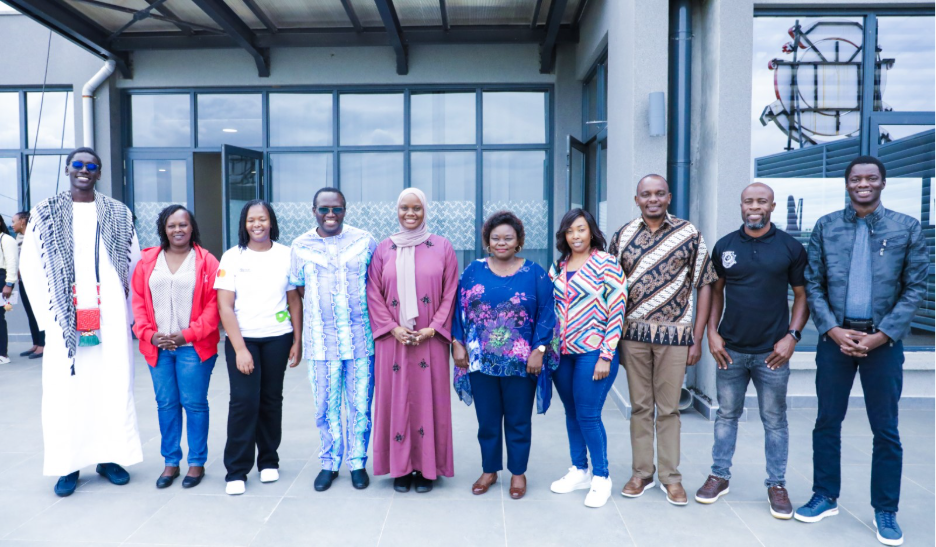
This approach is being implemented through the Africa Health Collaborative (AHC) scholarship programme, which aims to nurture a new generation of transformative health leaders by supporting talented, service-oriented young Africans to pursue postgraduate education and realise their leadership potential. The Africa Health Collaborative is a multi-year partnership working to strengthen Primary Health Care systems across Africa through health workforce development, education, innovation, and entrepreneurship. It brings together the Mastercard Foundation, Amref International University, Amref Health Africa, Addis Ababa University, African Leadership University, African Institute for Mathematical Sciences, Ashesi University, Kwame Nkrumah University of Science & Technology, Moi University, the University of Cape Town, and the University of Toronto. The Collaborative focuses on preparing and positioning young people to drive meaningful impact in three critical areas: Health Employment, Health Entrepreneurship, and Health Ecosystems.
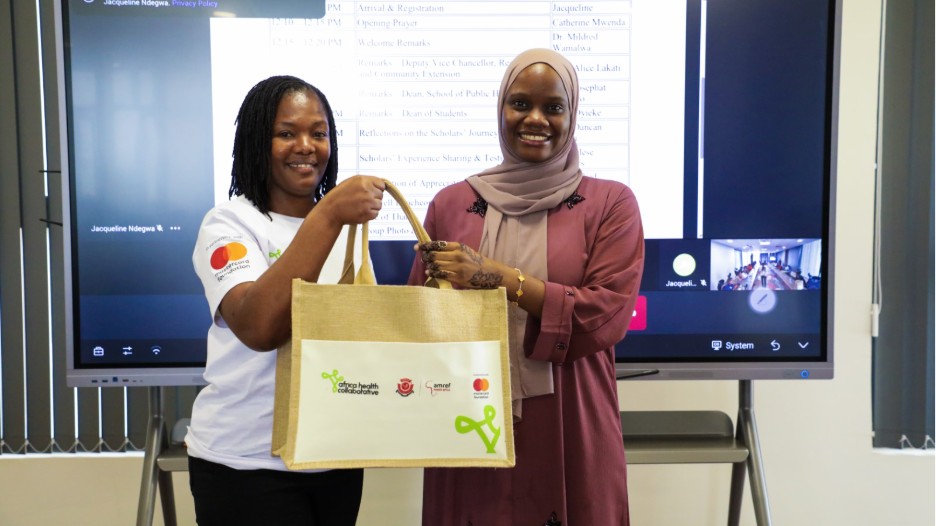
As an accredited institution of higher learning focused on health sciences, AMIU contributes to this vision through a scholarship programme that combines academic excellence with practical leadership development. Beyond academic advancement, the programme equips scholars with the skills, knowledge, and exposure needed to strengthen PHC systems in their countries and contribute to improved global health outcomes. One way the AHC programme advances this objective is through micro-credential courses designed to enhance employability and broaden professional competencies. Foreign language training is one such offering, enabling graduates to pursue professional opportunities in diverse linguistic and cultural settings.
Innovative Postgraduate Training Model
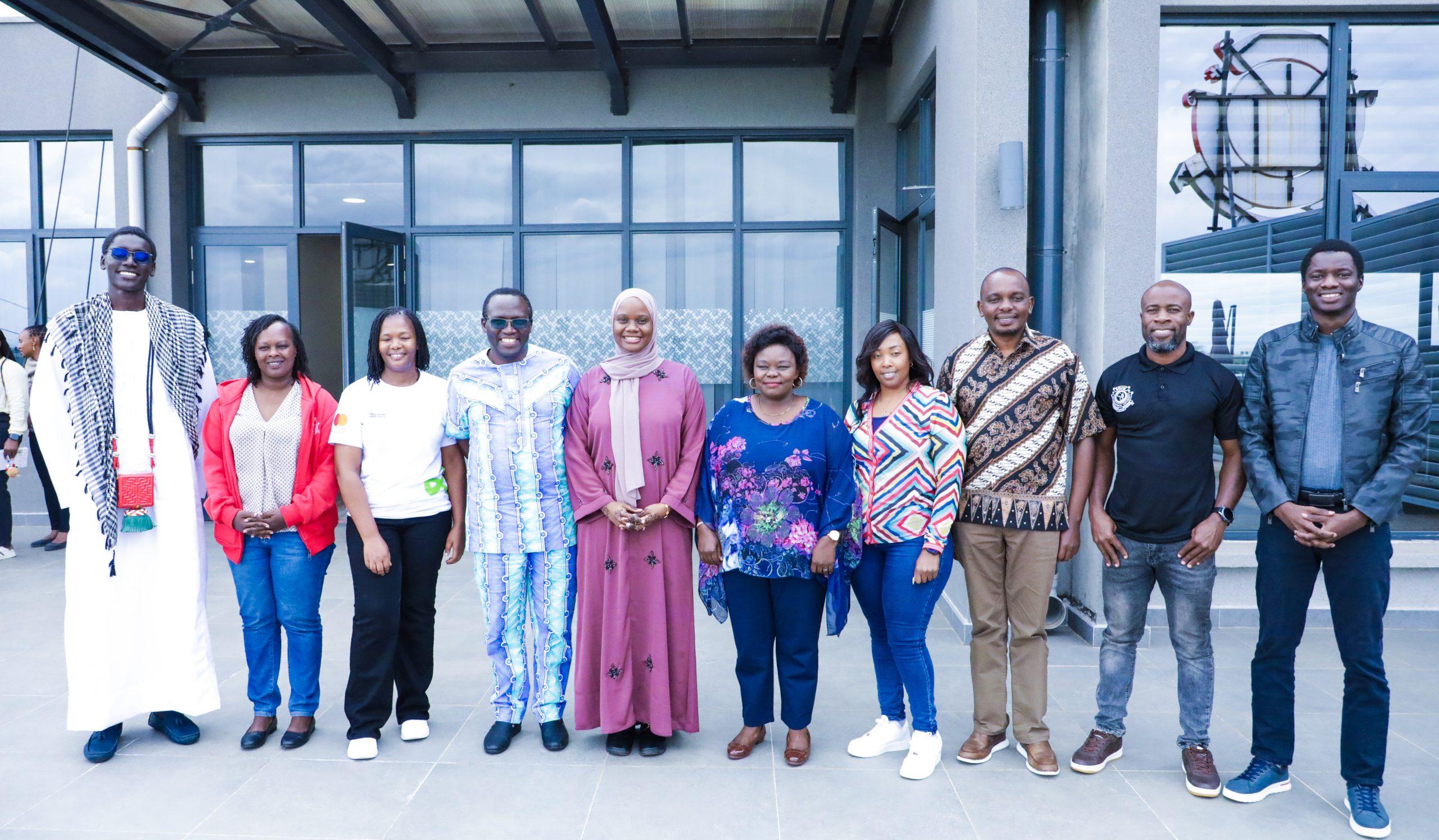
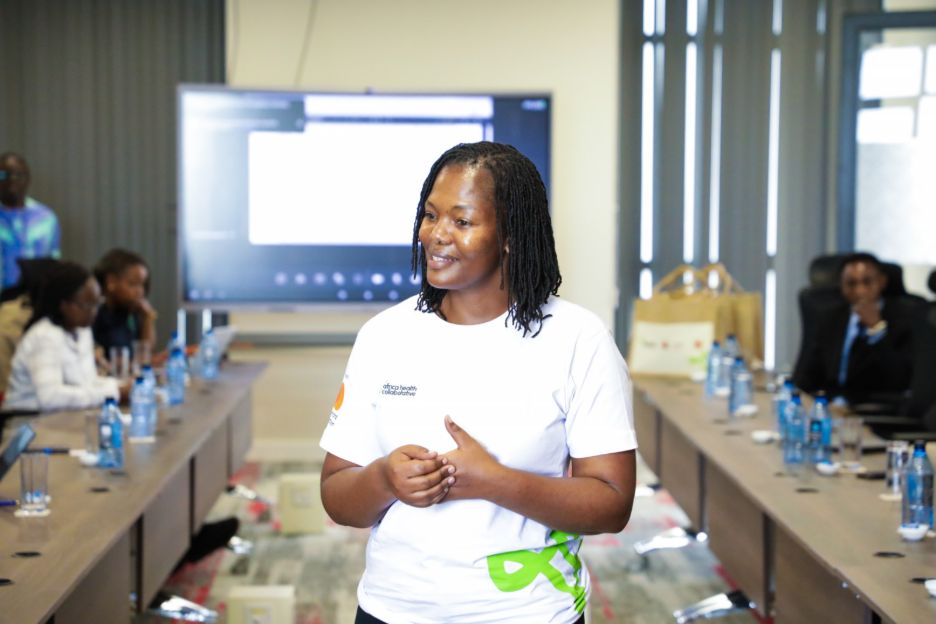
AMIU is implementing an innovative postgraduate training model that integrates foreign language training for master’s scholars under the AHC programme. Under this model, 21 Anglophone scholars from Kenya and Zambia are studying French alongside their two-year master’s programme to attain A1 certification. In addition, three Francophone scholars from Senegal completed an intensive three-month Advanced English Language Course at the AMIU Language Academy to achieve C2-level proficiency before commencing the master’s programme, where English is the language of instruction.
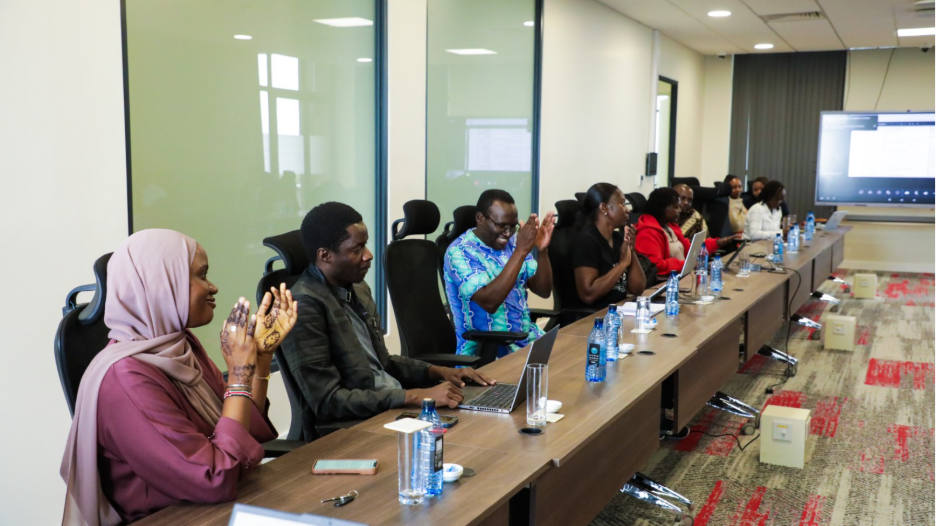
At AMIU, language learning is positioned as a transformative pathway that equips future health professionals with the confidence and skills to work effectively in multilingual and multicultural environments. Through its Language Academy, AMIU applies a storytelling-based pedagogy that connects learning to identity, purpose, and leadership. This model is particularly relevant in contexts where language barriers can limit access to education, employment, and cross-border professional opportunities.
Tailored Language Training
To support a smooth transition into postgraduate study for the Francophone scholars, the English curriculum was tailored to their academic needs. In addition to core competencies in speaking, listening, reading, and writing, the programme incorporated terminology and concepts from Primary Health Care and public health practice. This targeted approach equipped the scholars with the language skills required to engage confidently with academic content, research, and professional discourse.
The English learning experience also extended beyond the classroom. Living and studying in Kenya immersed the scholars in a new cultural environment, enabling them to deepen their understanding of the social and cultural factors that influence health-seeking behaviours and health outcomes.

Experiential Learning
The scholars participated in several experiential learning opportunities that broadened their perspectives on health systems and leadership. At the AMIU 2nd Primary Health Care Congress, they engaged with experts and practitioners working to strengthen PHC systems across Africa. Through the Idea to Impact Programme, a flagship initiative of the AMIU Health Entrepreneurship Academy, they gained insight into the venture creation journey, from ideation and execution to investment readiness.
They also participated in the AHC-supported Gown to Town Programme, which uses simulation-based learning to prepare young professionals for the transition from training into the health workforce.

Reflections on the English Training
Completion of the Advanced English Language Training Programme provided an opportunity for the scholars to reflect on their learning journey. In their reflections, they expressed appreciation for the opportunity and described the experience as transformative.
Reflecting on his experience, Dr Aly Mbaye said:
“I discovered a beautiful culture, amazing people, and a warm environment that made Kenya feel like home.”
He added:
“This experience represents the future of health collaboration in Africa where East and West Africa work together to build stronger and sustainable health systems.”
Mr Massamba Mbaye reflected on the programme’s lasting impact, noting:
“This journey has helped us grow academically, professionally and personally. Our ambition is not only to earn a Master’s degree, but to gain the expertise needed to serve our communities effectively.”
For Ms Adja Sidibe Korka:
“From the moment we arrived, the kindness, hospitality, openness and support we received transformed a new country into a second home.”
She added that exposure to a new culture and learning environment enabled her to build professional networks and draw inspiration from women leaders in PHC at the University.

Faculty Perspectives
Congratulating the scholars on their achievement, Prof. Alice Lakati, Deputy Vice-Chancellor for Research and Community Extension, commended them for undertaking studies in an English-speaking setting, noting that:

“Multilingual skills are a strength that will enhance your competitive edge in the global job market.”
Prof. Duncan Irungu, Principal of the AMIU Institute of Sustainable Innovations (ISI), where the AMIU Language Academy is domiciled, encouraged the scholars not to “normalise what is not ordinary” and challenged them to become “transformative global PHC leaders.”
Welcoming the scholars to the AMIU School of Public Health, Dean Prof. Josephat Nyagero congratulated them on successfully completing the English training component of the programme. He expressed confidence that the scholars will acquire the knowledge, skills, and competencies required to become impactful public health professionals.

Looking Ahead
These reflections demonstrate how language training, academic preparation, cultural immersion, and experiential learning can be integrated into a postgraduate health programme. By investing in these areas, the Africa Health Collaborative and AMIU are preparing students for postgraduate success while developing a new generation of health leaders equipped to contribute to resilient and responsive Primary Health Care systems across Africa and globally.
Written by Dr Mildred Wamalwa