
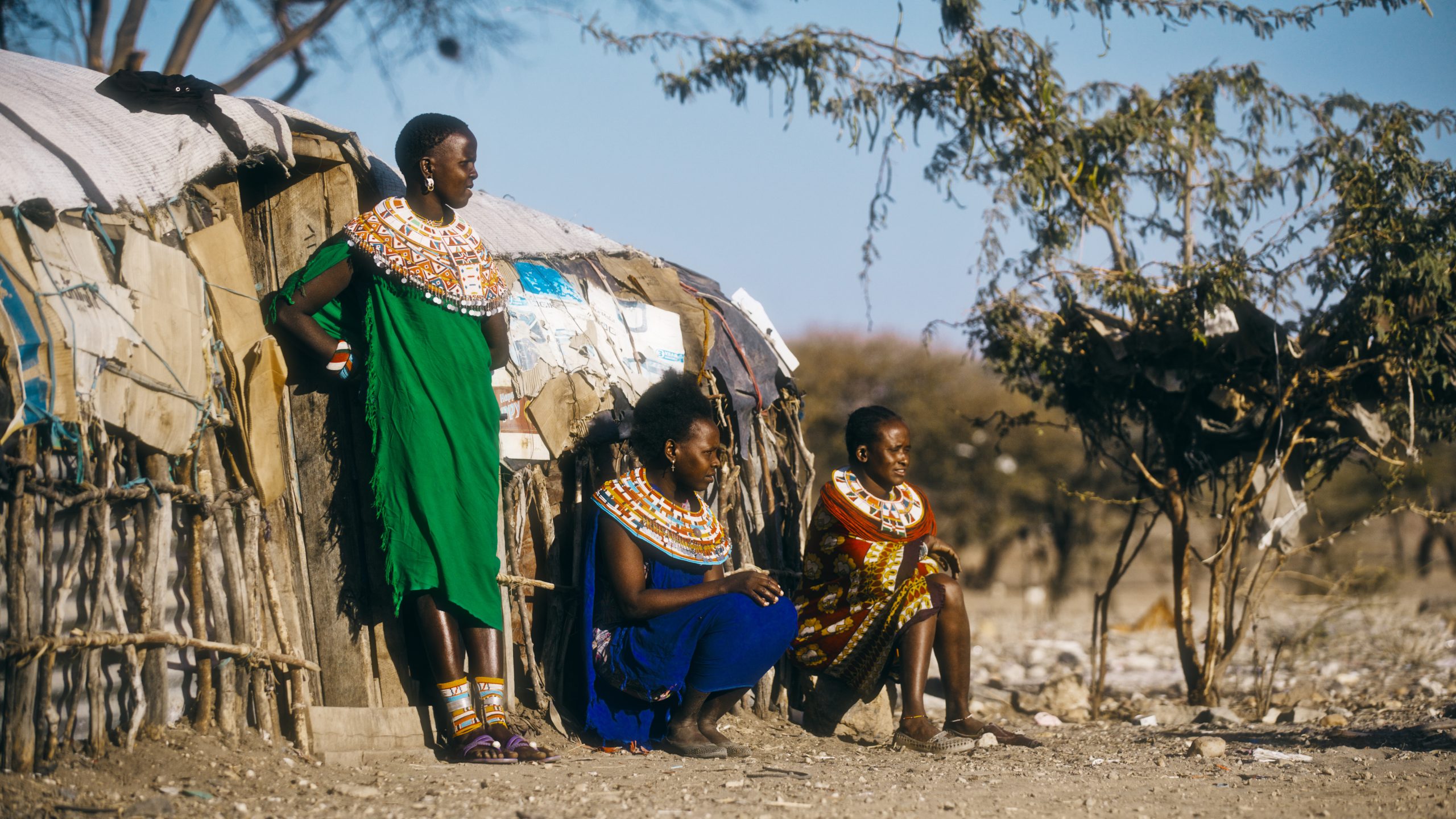
In Wajir County, where the maternal mortality ratio is five times the national average, four AMIU students are partnering with the Reach Alliance to study how community health promoters keep pastoralist mothers connected to care.
Introduction
In Wajir County, Kenya, the maternal mortality ratio runs more than five times the national average, a gap driven largely by home deliveries and postpartum hemorrhage. For pastoralist communities, who move seasonally with their herds in search of water and grazing land, the challenge is compounded by geography: when a household moves and the health system does not, what happens to continuity of care?
This is the question now facing the first Reach Alliance research team at Amref International University (AMIU) ,a partnership that reflects a shared commitment to empowering the next generation of leaders, researchers, and healthcare professionals across Africa.
The Team
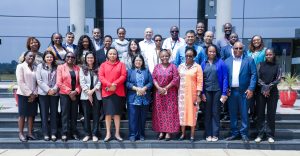
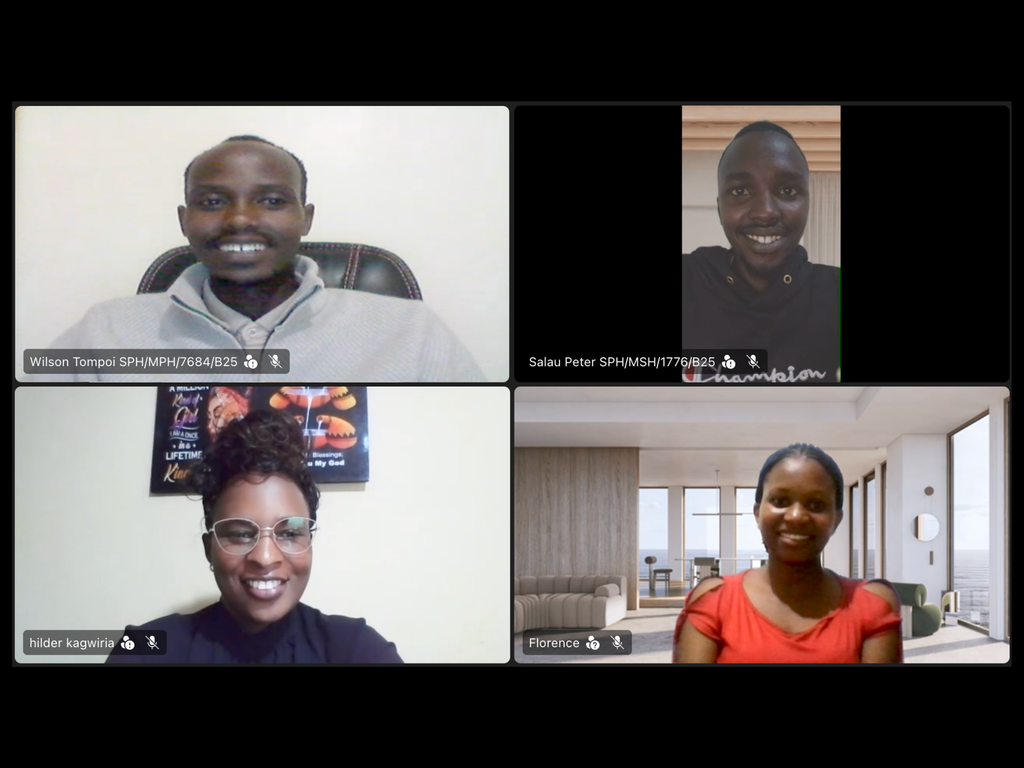
A team of four master’s students at AMIU ,Florence Muviu (MPH Student), Hilder Mwithalie (MPH Student), Wilson Tompoi (MPH Student), and Peter Tongoyo (MSc HSM Student), is leading the investigation under the guidance of Professor Peninah Masibo. Their focus: community health promoters (CHPs), the frontline workers who help bridge the gap in maternal healthcare for pastoralist mothers as they move between grazing sites.
Rather than centering only on the obstacles CHPs face, the team is taking an asset-based approach to examine what is already working and where the continuum of care holds or breaks down as mothers travel through pregnancy, delivery, and postpartum recovery.
Their methodology reflects the same spirit of listening over prescribing. Instead of conventional interviews, the team is using journey mapping and seasonal calendars: pastoralist mothers will draw out what a typical season of movement looks like with their household and herd, marking points where care intersected (or didn’t) with their journey. CHPs will map their own seasonal calendars, showing how they adapt their work as mothers relocate. Together, the tools are designed to make visible exactly where the continuum of care exists and where it may break down.
Fieldwork will take the team from the county level down to individual facilities, gathering perspectives from health workers, stakeholders, CHPs, and mothers themselves.
What This Partnership Means
For the four students, being the first cohort to represent this collaboration carries a particular weight. There is no blueprint to follow, only the responsibility of building one.
“It feels like a big responsibility, but we are in for it,” Florence said, reflecting on shaping the foundation for teams that will follow.
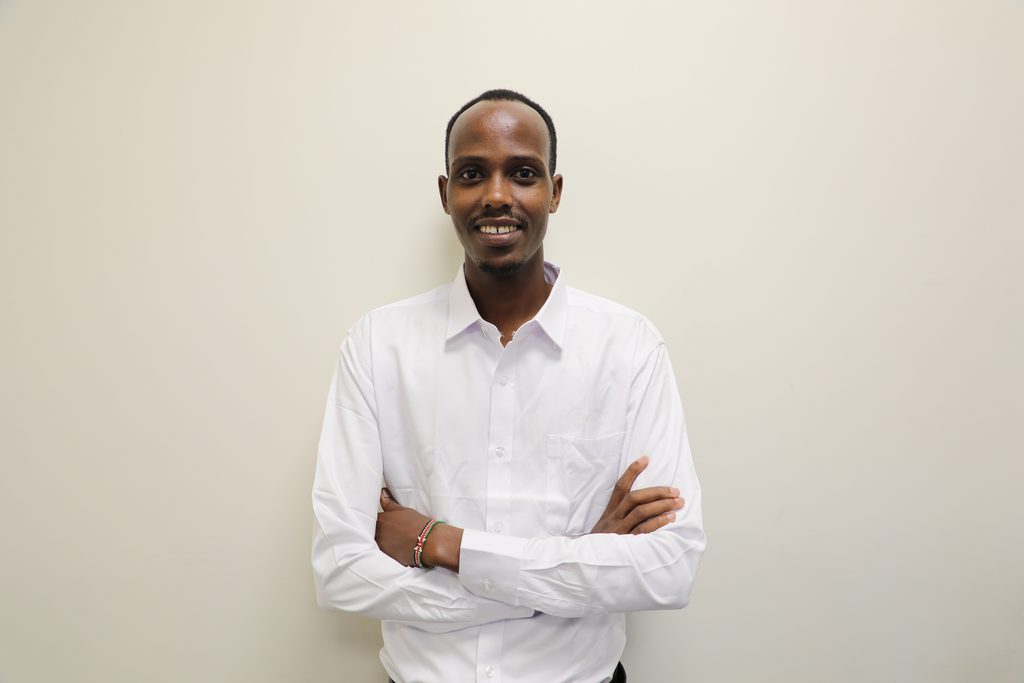
Peter described the opportunity in terms of representation on a larger stage: being part of this work is “a privilege of setting the pace” and putting their university forward in a global research network, a chance to share ideas and learn alongside peers from around the world.
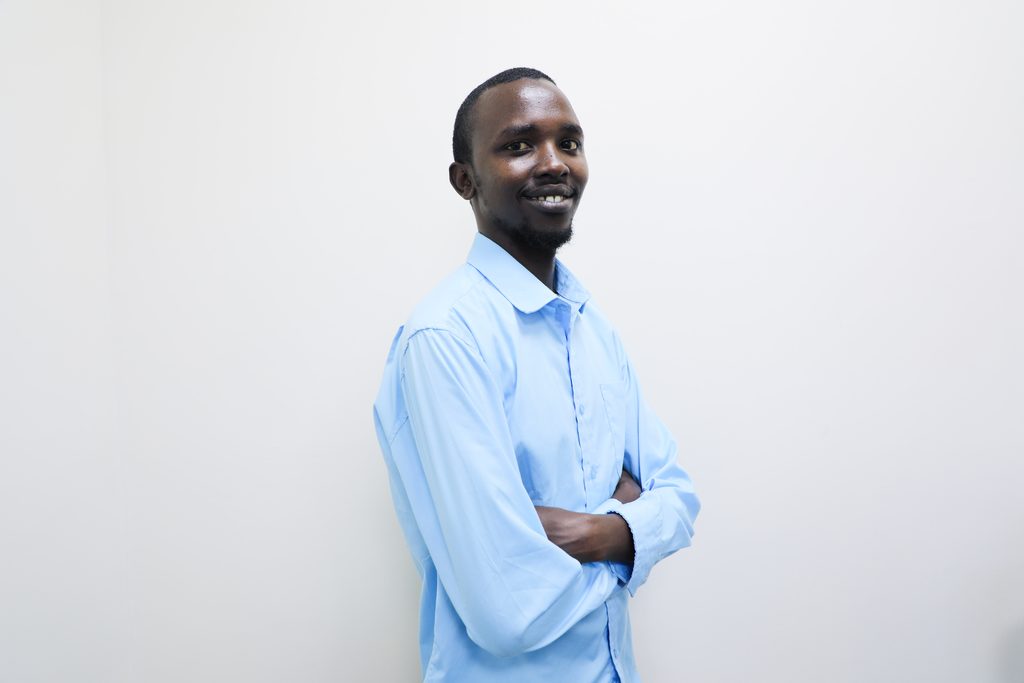
For Wilson, the connection to this research is personal as well as professional, having grown up in a pastoral community himself. “This work isn’t just abstract to me,” he said, it comes from lived experience and a sense of building something that matters to people like his own family.
That sense of purpose echoes across the team. As Hilder puts it, capturing the perspectives of CHPs and mothers directly means finally hearing “the lived experiences behind the numbers.” This is a chance not just to hear from pastoralist communities, but to co-design solutions with them.
Looking Ahead
The team’s fieldwork will culminate in a full research report, and the group will go on to represent the first AMIU-Reach cohort at the 2027 Reach Conference.
But their ambitions extend beyond the report itself. The team hopes their findings won’t simply “gather dust” on a shelf, but will help close the persistent implementation gap between policy and practice , pushing evidence directly toward the people responsible for decisions on the ground. Their goal, as Peter described it, is to “insert” these findings “in the brains and hearts of people responsible for implementing policy.”
For a team investigating one of the most underserved corners of the maternal health continuum, the hope is straightforward, if urgent. “If we don’t protect the health of mothers and children, we won’t have a generation,” saidFlorence. “This is something our country needs to invest in.”