
Bridging the Last Mile: The First AMIU-Reach Team Tackles Maternal Health in Wajir County, Kenya
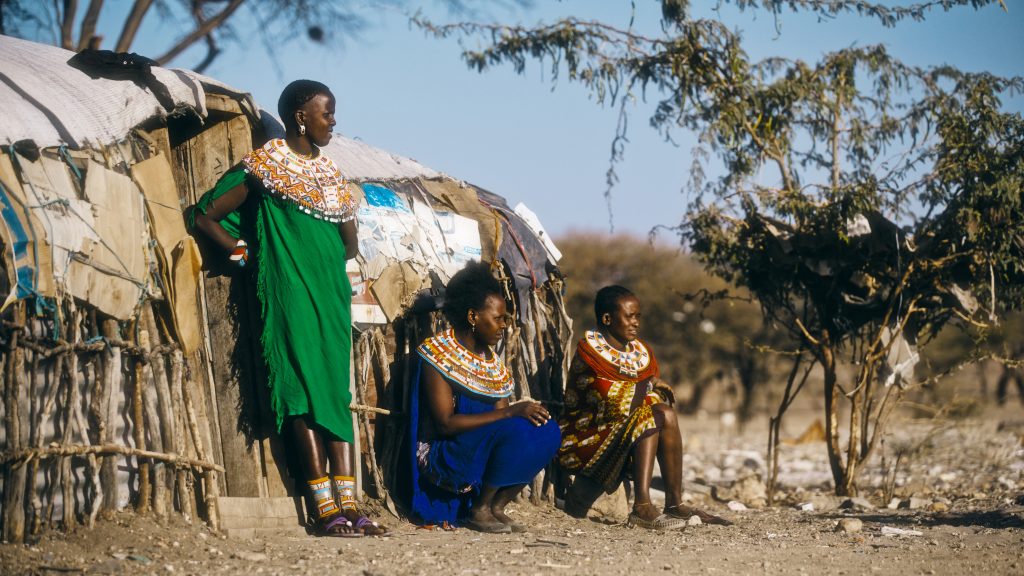
In Wajir County, where the maternal mortality ratio is five times the national average, four AMIU students are partnering with the Reach Alliance to study how community health promoters keep pastoralist mothers connected to care. Introduction In Wajir County, Kenya, the maternal mortality ratio runs more than five times the national average, a gap driven largely by home deliveries and postpartum hemorrhage. For pastoralist communities, who move seasonally with their herds in search of water and grazing land, the challenge is compounded by geography: when a household moves and the health system does not, what happens to continuity of care? This is the question now facing the first Reach Alliance research team at Amref International University (AMIU) ,a partnership that reflects a shared commitment to empowering the next generation of leaders, researchers, and healthcare professionals across Africa. The Team A team of four master’s students at AMIU ,Florence Muviu (MPH Student), Hilder Mwithalie (MPH Student), Wilson Tompoi (MPH Student), and Peter Tongoyo (MSc HSM Student), is leading the investigation under the guidance of Professor Peninah Masibo. Their focus: community health promoters (CHPs), the frontline workers who help bridge the gap in maternal healthcare for pastoralist mothers as they move between grazing sites. Rather than centering only on the obstacles CHPs face, the team is taking an asset-based approach to examine what is already working and where the continuum of care holds or breaks down as mothers travel through pregnancy, delivery, and postpartum recovery. Their methodology reflects the same spirit of listening over prescribing. Instead of conventional interviews, the team is using journey mapping and seasonal calendars: pastoralist mothers will draw out what a typical season of movement looks like with their household and herd, marking points where care intersected (or didn’t) with their journey. CHPs will map their own seasonal calendars, showing how they adapt their work as mothers relocate. Together, the tools are designed to make visible exactly where the continuum of care exists and where it may break down. Fieldwork will take the team from the county level down to individual facilities, gathering perspectives from health workers, stakeholders, CHPs, and mothers themselves. What This Partnership Means For the four students, being the first cohort to represent this collaboration carries a particular weight. There is no blueprint to follow, only the responsibility of building one. “It feels like a big responsibility, but we are in for it,” Florence said, reflecting on shaping the foundation for teams that will follow. Peter described the opportunity in terms of representation on a larger stage: being part of this work is “a privilege of setting the pace” and putting their university forward in a global research network, a chance to share ideas and learn alongside peers from around the world. For Wilson, the connection to this research is personal as well as professional, having grown up in a pastoral community himself. “This work isn’t just abstract to me,” he said, it comes from lived experience and a sense of building something that matters to people like his own family. That sense of purpose echoes across the team. As Hilder puts it, capturing the perspectives of CHPs and mothers directly means finally hearing “the lived experiences behind the numbers.” This is a chance not just to hear from pastoralist communities, but to co-design solutions with them. Looking Ahead The team’s fieldwork will culminate in a full research report, and the group will go on to represent the first AMIU-Reach cohort at the 2027 Reach Conference. But their ambitions extend beyond the report itself. The team hopes their findings won’t simply “gather dust” on a shelf, but will help close the persistent implementation gap between policy and practice , pushing evidence directly toward the people responsible for decisions on the ground. Their goal, as Peter described it, is to “insert” these findings “in the brains and hearts of people responsible for implementing policy.” For a team investigating one of the most underserved corners of the maternal health continuum, the hope is straightforward, if urgent. “If we don’t protect the health of mothers and children, we won’t have a generation,” saidFlorence. “This is something our country needs to invest in.”
Amref International University Launches Doctor of Philosophy in Public Health to Advance Evidence-Based Health Solutions
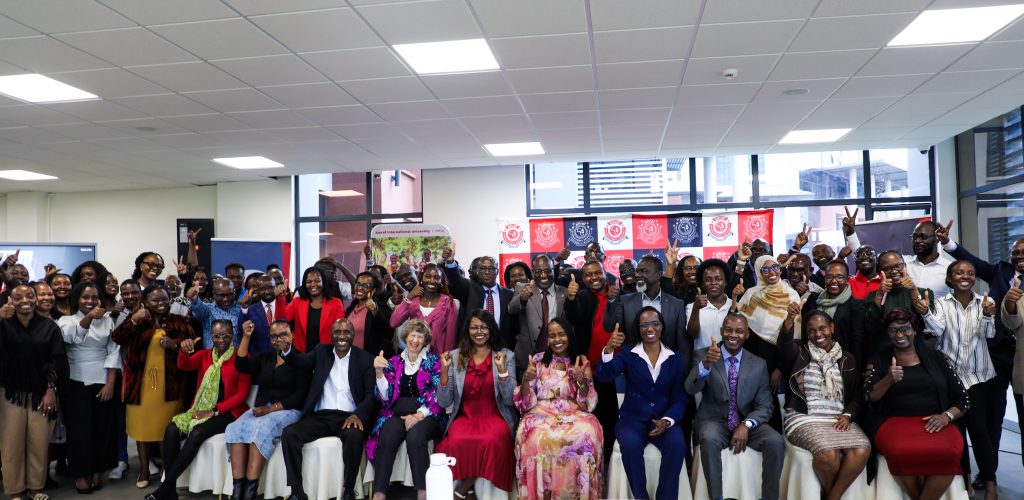
Amref International University (AMIU) has officially launched its Doctor of Philosophy (PhD) in Public Health, marking a significant milestone in the University’s commitment to advancing public health scholarship, research, innovation and leadership in Africa and beyond. The new doctoral programme responds to the growing complexity of public health challenges and the need for highly skilled researchers and practitioners capable of generating evidence, influencing policy and developing context-specific solutions to emerging health challenges. Speaking during the launch, AMIU Vice Chancellor, Prof. Joachim Osur, said the complexity of today’s global health challenges requires a departure from conventional approaches. “Global public health challenges demand solutions beyond status quo thinking. They require deep empirical analysis, robust epidemiological frameworks and advanced policy interventions.” Prof. Osur added that AMIU is well positioned to support doctoral scholars through its digital resources, research opportunities and dedicated mentorship. The journey towards establishing the PhD programme began in 2022, led by the Office of the Deputy Vice Chancellor, Academic and Student Affairs, under Prof. Tammary in collaboration with Dr. Faith Muhonja, who played a key role in curriculum development. The curriculum was completed in 2023 and subsequently approved by the University Senate in August 2023 before being submitted to the Commission for University Education (CUE) for regulatory approval. Following extensive review, the programme received approval in July 2026, bringing to completion a four-year process of development and regulatory engagement. According to DVC Academic and Student Affairs, Prof. Tammary Rotich, the programme was shaped through extensive consultations with the Ministry of Health, universities offering doctoral programmes, research institutions and industry partners. “This PhD is the result of a rigorous, collaborative journey designed to meet the highest academic and regulatory standards while responding to Africa’s evolving public health challenges.” Prof. Tammary noted that the programme is anchored on three key pillars: advanced research and innovation; multidisciplinary scholarship integrating health and behavioural sciences; and translation of research into policy and practice. She emphasized that the programme seeks to position AMIU as a producer of evidence that can inform national policies and contribute to global health guidelines. “We want doctoral research to move beyond the thesis, to generate evidence that influences policy, practice and health outcomes.” The Executive Dean, School of Public Health, Prof. Josephat Nyagero, said the programme has been designed to build advanced leadership and research capacity to address public health challenges at local, national and global levels. “The programme will equip scholars with the research, epidemiological and leadership competencies needed to generate evidence and influence public health policy and practice.” The programme has four core learning outcomes: developing policy leadership competencies; professional excellence through research, publication and service; mastery of epidemiological methods for policy-influencing research; and multidisciplinary collaboration. The PhD is anchored in the Department of Community Health and will run for three years under a rolling admissions model. It combines coursework and thesis research and will be delivered through a blended learning model, including interactive virtual evening classes from Monday to Friday at 5:30 p.m. EAT. The first year will comprise six units delivered across two semesters, while the second and third years will focus primarily on thesis development, beginning with the development of a research proposal. Assessment will comprise continuous assessment, end-of-semester examinations and thesis examination in accordance with AMIU regulations. The programme places strong emphasis on translating doctoral research into practical solutions for communities and health systems. Scholars will be exposed to research opportunities and attachments with local and international partners, while opportunities for collaboration will extend to joint research, grants and data-sharing initiatives. Prof. Tammary called on corporate, government and international partners to collaborate with AMIU in strengthening the link between academia and frontline health service delivery. “We invite partners to work with us through joint research, grants and data sharing that connect scholarship to the realities of health service delivery.” The programme is also designed to prepare graduates for diverse careers across the public, private and academic sectors, including research leadership and mentorship, strategic advisory roles, policy engagement and scholarly publishing. With the official launch, AMIU has opened its application portal for the inaugural cohort of the PhD in Public Health. Prof. Tammary challenged prospective scholars to approach doctoral study with intellectual discipline, curiosity and a commitment to research integrity. “The PhD journey demands intellectual humility, consistency and curiosity. We challenge our scholars to question existing dogmas, uphold research ethics and produce research that matters.” The launch reinforces AMIU’s growing role in strengthening health sciences education and research, while advancing its commitment to Primary Health Care (PHC) and to developing health professionals and researchers capable of responding to Africa’s most pressing health challenges. For media enquiries: Amref International University (AMIU) Communications & Marketing Office Email: amiucommunications@amref.ac.ke Website: www.amref.ac.ke
Future4Binti : A Room Full of Doors

Walking towards the entrance of the event room, a vibrant young man stopped me. With a warm smile, he handed me two t-shirts- one purple, the other white and happily asked me to choose one. My friend besides me looked surprised too as she was offered the same choice. We were then led into the room. I took a deep breath, held my chin up and slowly walked in, scanning the room for an empty table. The room was full of young people- young people laughing, talking, connecting and grooving to the uplifting Kenyan music playing in the background. For a moment, I stood there taking it all in. Looking around that room, I found myself asking a question I had never really stooped to consider: what does an opportunity actually look like for us as young people? When we hear the word opportunity, many of us immediately think of a scholarship, an internship, an entry-level job or funding for an idea. These are the doors we are taught to look for. But that day, I began to see opportunity differently. Everyone present had access to the event’s information. Through the banquet-styled tables, people interacted and connected, friends were introduced to new acquaintances, and some found people with similar aspirations they could hold a conversation with. I was in a platform where I could access people and information, be heard and felt I could be trusted with responsibility. As a young person navigating school, career aspirations and a growing interest in public health, my thought on opportunity has often been something I have to search for. This day I walked in looking for a chance for growth but I left realizing we had created one. What happens when a young person is given a platform? From a poetic presentation from a lively young lady, the rhythmic flow of words brought an imagination of an FGM-related life, the fear and agony a young girl battles with in an affected community. The platform given to her was a form of opportunity where she told a story, challenged harmful norms and influenced many people. And perhaps that is what struck me most about the Future for Binti Social launch and podcast launch. Beyond the launch itself, there was something powerful about creating a room where young people could meet, listen, speak and imagine the kind of communities they wanted to see. What does youth opportunity have to do with health? As a health student, I have come to realize that opportunity and health are not separate conversations. What young people have access to can shape how they navigate both their health and the communities they live. That room reminded me that access is not always something tangible. Sometimes it is knowing the right person to ask, it is hearing information you did not know existed or meeting someone who has walked a path you are just beginning to explore. When they are also given spaces to participate, young people can move from simply receiving information to contributing to conversations, decisions and solutions within their communities. But what happens when young people have aspirations but have no access to opportunities? Perhaps the problem is not that young people lack ambition. Sometimes, we simply lack the doors through which that ambition can move. We can have the ideas, the passion and the willingness to contribute, but without access to information, education, supportive networks, skills and spaces to participate, many of those aspirations can remain just that aspirations. That is why the room I walked into that day stayed with me. I had walked in looking for a chance for growth. Yet, as I watched young people connect, share ideas, listen to one another and take up space, I began to realize that opportunity does not always arrive as a job offer, a scholarship or a funding opportunity. Sometimes, opportunity looks like a room. A room where you meet someone who knows something you didn’t. A room where you discover a possibility you had never considered. A room where you are given a platform to tell a story. A room where someone sees your potential and says, “You should try this.” A room where young people are not simply spoken about, but are given the opportunity to speak, participate and shape the conversations that affect their lives. Sometimes, opportunity isn’t the final destination, it is the door. But doors only become meaningful when young people can find them, access them and are supported to walk through them. As I reflect on International Youth Day, I find myself thinking beyond simply celebrating young people for their energy, creativity and potential. We should also ask ourselves: What doors are we creating for them? And who is still standing outside? By Faith Kihumba.
From London to Kenya: Nicky Blundell’s 54-Year Journey Preserving Amref’s Heritage
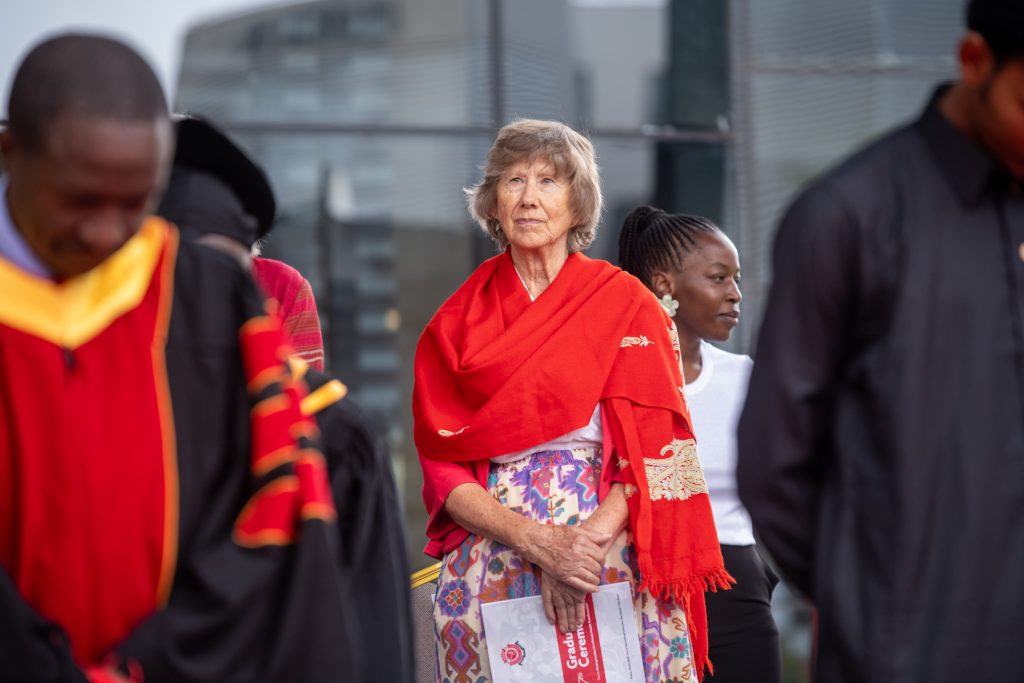
On a quiet afternoon, Nicky Blundell sits on a sunlit veranda overlooking a peaceful garden. Dressed in a light red blouse that mirrors her warm and resilient personality, she carefully turns the pages of photo albums spread across the table before her. A pair of reading glasses rests atop one album, while a bottle of water sits nearby, hinting at an unhurried conversation. Gentle daylight falls across her album photographs, each one unlocking memories that span decades. Every now and then, she pauses over a familiar face in a photograph, allowing the past to speak. The setting feels more like a living archive, where history comes alive through stories. Now serving as the custodian of Amref Heritage, Nicky is passionate about ensuring that future generations understand the organization’s remarkable journey. Looking thoughtfully into the distance, she begins, “To me, heritage is about capturing the past and constructing the future. These are the bricks upon which every organization is built. Without heritage, an organization loses its roots, its family, and its direction.” She shares. For Blundell, preserving Amref’s heritage is not simply about storing documents. It is about safeguarding the vision that has shaped Africa’s largest international health organization for nearly seven decades. Nicky’s own journey with the organization began unexpectedly in London. After returning from South Africa, where she found life difficult in the aftermath of apartheid, she was searching for employment in London. A friend referred her to Sue, a woman whose life had been saved by the Flying Doctors after she contracted sleeping sickness. Sue chaired the AMREF support office in the United Kingdom, and during the interview she passionately recounted the life-saving work of the Flying Doctors, stories that greatly captivated Nicky. She accepted the job on 2 January 1972, never imagining it would become the defining journey of her life. Nicky speaks about her moments at Amref with a strong conviction and certainty “It has been the most wonderful journey of constant change, unexpected challenges, and fulfilment beyond my wildest dreams,” she says with a smile. “I’ve met some of the most fascinating, inspiring and thought-provoking people along the way,” she discloses. She is fortunate to have worked alongside one of Amref’s founders, Sir Michael Wood, for several years. “To see a man with such an enormous commitment to improving the lives of African people was remarkable. That inspiration has stayed with me throughout the 54 years I have worked with Amref.” She says. For instance, she vividly recalls meeting wood during one of his visits to London. “He had an incredibly strong handshake and the most piercing blue eyes,” Nicky vividly recalls as her eyes look far into the horizon. Before leaving, Wood confidently told her that she would be in Africa before the year ended. True to his word, in January 1973 she set foot in Africa for the first time as an Amref staff member. One experience transformed her commitment forever. She travelled to northern Kenya with the legendary Dr. Anne Spoerry, better known as Mama Daktari, whose medical flights served remote communities in North Horr, Isiolo and Moyale every three months. “That visit completely ignited my passion for the organization,” Nicky recalls. Wherever the aircraft landed, people gathered within minutes to receive treatment. What amazed Nicky most was Dr. Spoerry’s extraordinary memory. She remembered individual patients, their illnesses, and the medications they needed months later. She spoke Swahili and communicated effortlessly through gestures, kept every appointment with remarkable punctuality, and even carried fresh produce from her own farm to patients. One Samburu elder summed up her impact simply: “Before the government, there was Mama Daktari.” From 1964 to 1999, Dr. Spoerry’s dedication transformed lives across northern Kenya. Communities maintained the airstrips themselves because they understood how essential the medical flights were. Reflecting on Amref’s origins, Nicky explains that the organization’s founders including Sir Michael Wood and Sir Archibald McIndoe were reconstructive surgeons who regularly travelled across East Africa during the 1950s. While conducting surgeries, they recognized that treating patients alone would never solve Africa’s health challenges. This inspired them to shift from curative medicine to preventive and community health work, leading to the establishment of Amref in 1957. “We work with communities because if we don’t work with communities, we can never make any impact,” wood often mentioned. “Identify a problem, find a solution, mobilize resources, and implement it.” That philosophy continues to define Amref’s work today. She believes the archives are far more than historical records – they are practical learning resources for students, researchers and health professionals. “There is so much they can learn,” she says. “They can see the challenges people faced, the innovative solutions they developed, and adapt those ideas for today’s problems.” Nicky marvels at how healthcare workers operated decades ago without mobile phones, computers or reliable roads. Communication depended entirely on radio networks linking Kenya, Tanzania and Uganda. Many of those original radios are now preserved in the Amref Flying Doctors Museum, serving as reminders of the ingenuity that characterized early health outreach across the continent. Among Amref’s greatest achievements, Nicky points to its leadership in promoting primary healthcare. She particularly remembers pioneers such as Dr. Roy Shaffer, whose mobile clinics and community health initiatives such as advocacy against female genital mutilation through alternative rites of passage demonstrated the power of working alongside communities rather than imposing solutions. Not every chapter has been easy however. One of the greatest losses came in 1998 when Amref’s central filing system was severely damaged, destroying invaluable historical records. “I was shocked to see so much important information lying on the floor,” she says. The experience strengthened her resolve to establish and expand the Heritage Office, ensuring that future generations would never lose such invaluable institutional memory again. Today, she encourages every member of staff to document their work. “Keep a record of the challenges you’ve overcome, the solutions you’ve found, and share them with the organization. Everybody has a role to play in preserving our history.” As new staff join Amref, Nicky
AMIU Cultural Week 2026: A Vibrant Celebration of Diversity, Creativity, and Community

Theme: Celebrating Our Roots, Embracing Our Culture For five unforgettable days, Amref International University (AMIU) transformed into a vibrant tapestry of cultures, colors, traditions, and creativity as students, faculty, and staff came together to celebrate Cultural Week 2026 under the theme: “Celebrating Our Roots, Embracing Our Culture.” Held from 8th to 12th June 2026 at the Amref International University in Northlands, Ruiru, the week-long celebration served as a powerful reminder of the University’s commitment to diversity, inclusivity, and global citizenship. More than just a showcase of fashion and entertainment, Cultural Week became a platform where identities were celebrated, stories were shared, and communities were strengthened. From traditional attire and cultural performances to themed dress days and engaging social activities, the campus came alive with energy as students proudly embraced their heritage while appreciating the cultures of others. A Week of Expression and Belonging The festivities began with Old Money Monday, where students and staff stepped into timeless elegance through sophisticated, vintage-inspired fashion. The day celebrated legacy, class, and heritage, setting the tone for a week that encouraged self-expression and confidence. Tuesday ushered in the vibrant spirit of the Caribbean through Caribbean Chic, filling the campus with tropical colors, lively energy, and island-inspired fashion. The day highlighted the beauty of cultural exchange and reminded participants of the interconnectedness of global communities. Creativity took center stage on Creative Concept Wednesday, as students pushed the boundaries of imagination with innovative and unconventional outfits. From artistic masterpieces to thought-provoking costume concepts, the day showcased AMIU’s culture of innovation and originality, demonstrating that creativity knows no limits. The celebration deepened on Roots & Rhythm Thursday, arguably one of the most impactful days of the week. Students proudly donned traditional attire representing various communities and countries across Africa and beyond. The campus became a living exhibition of cultural heritage, reinforcing the University’s belief that diversity is a source of strength rather than division. Traditional music, dance, and storytelling further enriched the experience, creating moments of learning, appreciation, and connection. The week concluded with Retro Replay Friday, a nostalgic journey through iconic fashion trends from previous decades. Students embraced styles from the 70s, 80s, 90s, and early 2000s, bringing a playful yet meaningful close to a week dedicated to celebrating identity and culture. Diversity in Action One of the defining characteristics of Cultural Week 2026 was the remarkable representation of cultures from across Kenya, Africa, and the world. Students from different nationalities, ethnic backgrounds, and communities proudly shared elements of their heritage while learning from one another. The event highlighted AMIU’s growing multicultural environment, where diversity is not only acknowledged but actively celebrated. Through fashion, language, music, dance, and storytelling, participants experienced firsthand how cultural differences can foster mutual understanding and respect. The week provided an opportunity for students to appreciate perspectives beyond their own while strengthening a sense of belonging within the university community. Creativity Beyond the Classroom As an institution committed to nurturing holistic leaders, AMIU recognizes that learning extends beyond lecture halls and laboratories. Throughout the week, students demonstrated exceptional creativity and innovation through fashion interpretation, cultural exhibitions, artistic performances, and digital content creation. Social media platforms were flooded with engaging content, reflecting the enthusiasm and talent of the university community. The event became a living demonstration of how creativity can be used as a powerful tool for communication, cultural preservation, and social connection. Building an Inclusive University Community Cultural Week 2026 also reinforced AMIU’s commitment to fostering an inclusive environment where every individual feels seen, heard, and valued. Students, faculty, professional staff, and university leadership participated actively throughout the week, creating an atmosphere of unity and shared celebration. Regardless of cultural background, nationality, age, or role within the institution, everyone had a place in the festivities. The event embodied the belief that cultural diversity enriches learning experiences and contributes to stronger, more empathetic communities. A Grand Finale: Crowning Mr. and Miss AMIU 2026/2027 The celebrations culminated in a spectacular Gala Night, bringing together students, staff, partners, and invited guests for an evening of elegance, talent, and celebration. The highlight of the evening was the highly anticipated crowning of Mr. and Miss AMIU 2026/2027, recognizing student ambassadors who exemplify confidence, leadership, intelligence, creativity, and service. The Gala Night was further elevated through a strategic partnership with NTV Kenya, whose involvement amplified the visibility of the event and underscored the growing influence of student-led initiatives at AMIU. The collaboration provided a platform for showcasing the vibrancy, talent, and diversity of the university community to a wider audience. As the newly crowned Mr. and Miss AMIU (from left to right) took their first walk in their new roles, the moment symbolized more than individual achievement, it represented the aspirations, resilience, and promise of an entire generation of young leaders committed to creating positive change. Looking Ahead As the curtains closed on Cultural Week 2026, the impact of the celebration remained evident across the university community. The event successfully fostered cultural appreciation, strengthened community bonds, encouraged creativity, and reaffirmed AMIU’s position as a truly diverse and inclusive institution. In a world that increasingly demands understanding across cultures and communities, Cultural Week served as a timely reminder that our differences are not barriers—they are opportunities for learning, connection, and growth. At AMIU, every culture has a voice, every story matters, and every individual belongs. One Week. Many Cultures. One Community. Endless Pride. smm panel
From Campuses to Communities : Building Africa’s Next Health Innovation Engine
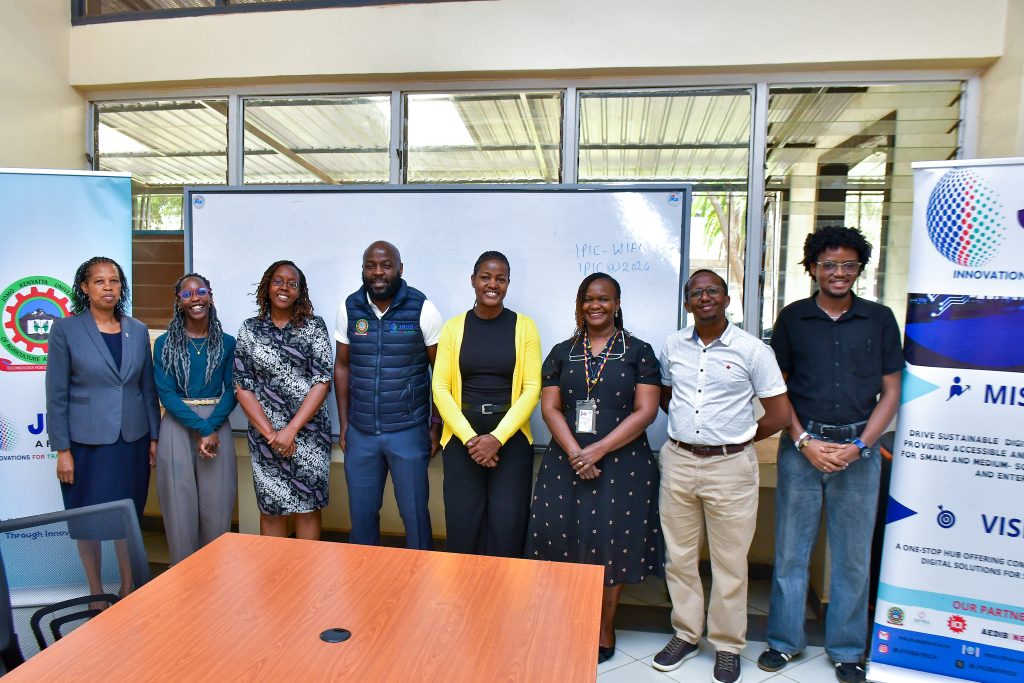
Across Africa, innovation is not in short supply. Every year, universities produce brilliant research,bold ideas, and passionate young minds ready to solve the continent’s most pressing challenges.Yet, there is a gap. Only 5–8% of African startups originate from university incubators, and even fewer survivebeyond early stages. While ideas are abundant, pathways to transform them into scalable,impactful ventures remain fragmented.This is the challenge that the Afya Ventures Residence Program seeks to solve.Reimagining the Role of Universities● What if universities were not just centers of learning, but engines of venture creation?● What if students didn’t just graduate with degrees, but with scalable solutions, tested inreal communities?● What if innovation ecosystems were not isolated, but deeply interconnected acrossinstitutions, industries, and governments? The Afya Ventures Residence Program, under the Africa Health Collaborative (AHC), is built onthis vision. With the theme “From Campuses to Communities: Building a Cross-University HealthInnovation Ecosystem,” the program brings together universities, ecosystem enablers, and policyactors to co-create a structured and sustainable innovation pipeline. A New Model: Collaboration Over CompetitionTraditionally, universities operate in silos. Each institution builds its own programs, oftenduplicating efforts while missing opportunities for shared growth.Afya Ventures flips this model. Through partnerships with institutions such as:● Amref International University (AMIU)● Jomo Kenyatta University of Agriculture and Technology (JKUAT)● Kenya Medical Training College (KMTC) ● Kabarak University● University of Nairobi The program creates a collaborative innovation network where strengths are shared, not siloed.Engineering meets public health. Clinical expertise meets digital innovation. Entrepreneurshipmeets real-world community needs. Building a Sustainable Innovation Pipeline At its core, AfyaVentures is a system designed to:● Continuously identify and nurture high-potential innovators● Embed innovation within university structures● Equip faculty to lead and sustain venture-building ecosystems● Create repeatable, annual pipelines of venture creationThis is how ecosystems are built through institutionalized capacity. From Ideas to Impact: The Venture Residence ModelThe program is structured as a four-phase venture journey, guiding innovators from idea tomarket: Focusing on What Matters: Social Determinants of Health The program prioritizes innovation across key Social Determinants of Health (SDOH), including:● Maternal and child health● Nutrition and food systems● Climate and environmental health● Digital health access● Assistive technologies● Urban health and mobility● Community-based healthcare delivery By anchoring innovation in these areas, Afya Ventures ensures that solutions are innovative, relevant, inclusive, and impactful. Ecosystem Thinking: Beyond the UniversityTrue innovation does not happen in isolation. Afya Ventures bridges the gap between:● Universities (talent and research)● Industry (market access and product development)● Government (policy alignment and scale)● Communities (real-world validation and adoption) This integrated approach ensures that innovations are designed with the end-user in mind andsupported by the systems needed to scale. The Bigger Picture:Africa’s greatest asset is its youth but talent alone is not enough.We must build systems that:● Support young innovators● Enable experimentation and failure● Provide access to mentorship, capital, and markets● Translate ideas into enterprises Afya Ventures is a step in that direction.It is about moving from potential to pipeline, from ideas to implementation, and from campusesto communities.Because the future of health innovation in Africa will not be built in isolation but together.The official call for applications for the young innovators is set to happen this May 2026 across thevarious partner universities. More information on the applications will be shared. smm panel
Bridging Academia, Innovation, and Health Systems: AMIU and KU Convene for Impactful Continuous Mentorship Education Forum
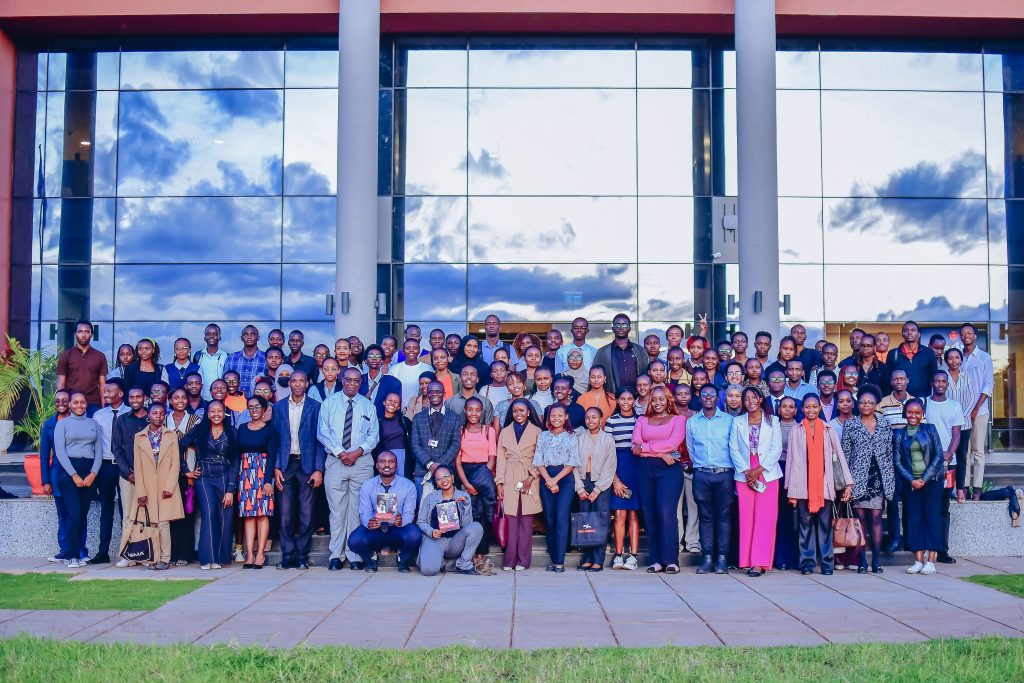
On 22nd April 2026, Amref International University (AMIU) hosted a dynamic Continuous Mentorship Education (CME) forum at Nile Hall, bringing together students, alumni, faculty, and partners from Kenyatta University College of Health Sciences (KU). Guided by the theme “Bridging Academia, Innovation and Health Systems for Lasting Change in Communities,” the forum created a powerful platform for knowledge exchange, mentorship, and forward-looking dialogue. The day commenced with guest registration and networking, setting the tone for an engaging and collaborative experience. Setting the Stage: Inspiring Opening Remarks The official program began with warm welcome remarks by Alice Thuitai, Career Guidance and Student Outreach Manager at AMIU, who emphasized the importance of mentorship and collaboration in shaping future health leaders. This was followed by opening remarks from Prof. Joachim Osur, Vice Chancellor of AMIU, who underscored the university’s commitment to strengthening health systems through education, innovation, and strategic partnerships. The leadership address highlighted the critical role of academia in driving sustainable community health outcomes. Voices of Impact: Alumni Testimonials A key highlight of the morning session was the alumni testimonials, featuring voices from both AMIU and KU. Speakers including Dr. Brenda Amondi, Mr. David Atimo, and Ms. Beryl Oborah, among others, shared personal journeys and reflections on how academic experiences have translated into real-world impact. Their stories reinforced the value of mentorship and continuous learning in navigating careers in healthcare. Academic Insights and Institutional Showcases The forum continued with presentations from the School of Medical Sciences and the School of Public Health, represented by Dr. Lucy Njiru and Prof. Josephat Nyagero (via representation). These sessions highlighted ongoing academic programs, research initiatives, and opportunities for students to engage in impactful health interventions. Exploring Opportunities in Health Systems Following a networking tea break, participants engaged with KU guest speaker Luvai Bruno Lijoodi, an MBChB finalist, who delivered an insightful session on “Health Systems: Avenues for Growth and Impact.” His presentation encouraged students to explore diverse pathways in strengthening healthcare delivery systems. Empowering Students Beyond Academia The forum also featured a session by ICEA Lion Group, led by Mr. Antony, focusing on financial literacy and investment strategies for students. This session emphasized the importance of financial preparedness alongside academic and professional growth. Research, Innovation, and Institutional Collaboration Further presentations were delivered by Prof. Dancan Irungu (ISIPE), alongside representatives from the Language Academy and Research Directorate, including Patrick Okwarah. These sessions showcased AMIU’s commitment to research, innovation, and interdisciplinary collaboration as pillars of health systems strengthening. Driving Innovation in Healthcare Entrepreneurship In the afternoon session, KU guest speaker Mugambi Faith Muthoni, also an MBChB finalist, explored “Building Sustainable Healthcare Startups in Emerging Economies.” Her presentation inspired participants to think entrepreneurially and develop innovative solutions to pressing health challenges. Panel Discussion: The Future of Community Health The forum culminated in a thought-provoking panel discussion on “The Future of Community Health: Academia, Innovation and Research.” Moderated by Lorna Wachuka, the panel featured Dr. Eric Ndombi, Dr. Titus Kahiga, Dr. Brenda Amondi, and Mr. David Atimo. The discussion tackled critical questions around the integration of academic training, research, and innovation in addressing community health needs. Panelists shared practical insights on building resilient health systems and preparing the next generation of health professionals. An interactive Q&A session allowed participants to engage directly with the panelists, deepening the conversation and fostering knowledge exchange. Way Forward The event concluded with closing remarks by Alice Thuitai, who reiterated the importance of sustained mentorship, partnerships, and innovation in transforming health systems across Africa. The CME forum exemplified AMIU’s commitment to bridging theory and practice, empowering students and professionals to drive meaningful change in their communities. By fostering collaboration between academia, industry, and innovation ecosystems, AMIU and KU continue to shape a future where health systems are more resilient, inclusive, and impactful. smm panel
From Idea to Impact: Empowering the Next Generation of Health Entrepreneurs at Amref International University
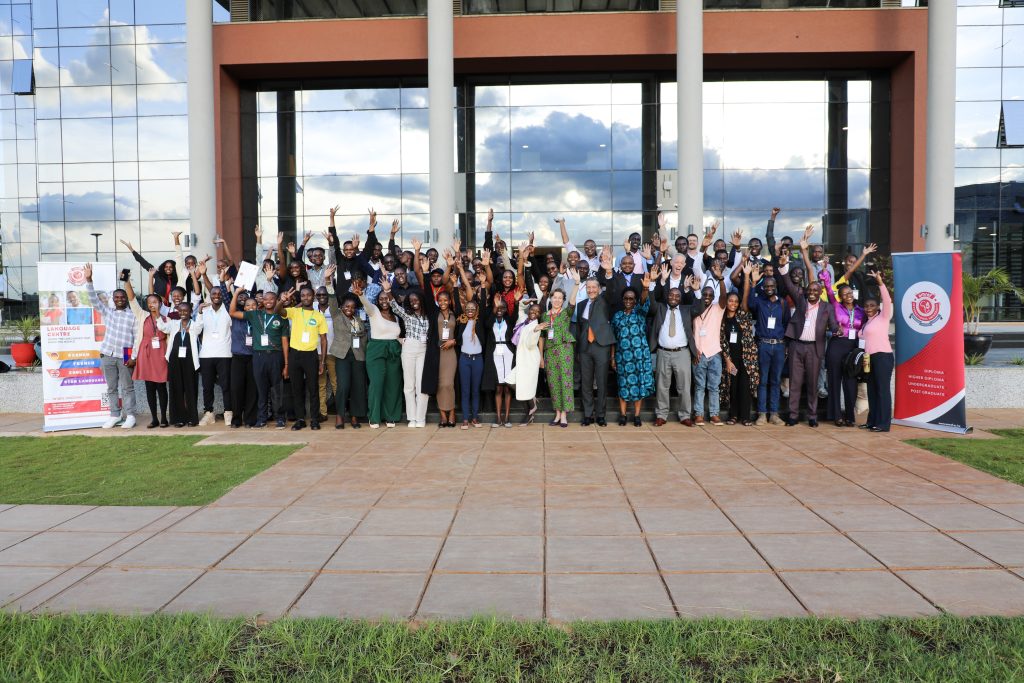
At Amref International University (AMIU), innovation is not just taught, it is practiced, tested, and transformed into real-world solutions. The From Idea to Impact Business Plan Workshop stands as a testament to this commitment, bringing together aspiring health entrepreneurs and equipping them with the tools, mindset, and structure needed to address pressing public health challenges across Africa. Delivered in partnership with the Family Larsson-Rosenquist Foundation (FLRF), the workshop is a flagship initiative under the Health Entrepreneurship Academy, designed to guide participants through the full lifecycle of venture creation , from ideation to execution and ultimately, to investment readiness. Day 1: Laying the Foundation for Innovation The workshop commenced with a structured introduction to the Learning Cycle, providing participants with a clear roadmap for the journey ahead. Facilitators guided students through the process of generating and refining initial business ideas, setting the stage for impactful innovation. Participants then formed working groups aligned to shared interests and ideas, fostering collaboration and peer learning. The afternoon session transitioned into active group work, where teams began shaping their early concepts into structured problem-solution frameworks. Day 2: Building the Entrepreneurial Mindset and Strategy Day 2, led by Dr. Katharina Lichtner, focused on cultivating the mindset and strategic thinking required for successful entrepreneurship. Participants explored the distinction between social enterprises and traditional NGOs, gaining clarity on sustainability-driven business models. The session emphasized the importance of starting with a clear vision, then aligning it with business models, operations, and financial planning. Key areas included: The day also featured a guest session by Diana Gichaga, Founder & Managing Partner at Private Equity Support, who provided practical insights into investment readiness and access to sustainable capital, bridging the gap between innovation and financing. Day 3: From Ideas to Real-World Solutions Day 3 marked a critical transition into Product and Customer Development, emphasizing the importance of designing solutions grounded in real-life user experiences. Dr. Lichtner challenged participants to focus on Product-Market Fit, highlighting that successful ventures must seamlessly integrate into the daily workflows of their customers. Through real-world case studies, particularly in maternal health, teams learned to design solutions that are practical, accessible, and relevant. Participants were also guided to: A key highlight was the introduction of the “honest pricing model,” which emphasized the need to account for all operational and hidden costs ,from logistics to stakeholder engagement , ensuring financial sustainability. The day concluded with a powerful insight: innovation must be process-driven and scalable, rather than limited to small pilot solutions. Day 4: Building the Cornerstone – Team Strategy and Financial Planning Day 4 shifted focus to the operational backbone of a successful venture: people and finances. Participants learned that building a strong team is a core strategic activity, supported by tools such as the Skill Matrix, which helps identify competency gaps and define key roles within a startup. The sessions explored: The afternoon focused on financial discipline, equipping participants with essential skills in budgeting, financial modeling, and data visualization , critical components for attracting investors. A defining takeaway from the day was:“The money follows the structure.” The Grand Finale: Pitching Competition and Award Ceremony The workshop culminated in a dynamic Pitching Competition and Award Ceremony held on 25th March 2026, where seven finalist teams presented their ventures to a panel of judges and industry leaders. The event was graced by distinguished keynote speakers, including: Celebrating Innovation: Cohort II Winners After a highly competitive pitch session, three outstanding ventures emerged: 🥇 BeneVita Home HealthcareA professionalized, insurance-integrated home nursing model improving access to quality careAward: $3,500 🥈 Afya MindA digital mental health platform designed to enhance practitioner efficiencyAward: $2,000 🥉 Maggo CareA specialized, patient-centered chronic care solutionAward: $1,000 These ventures demonstrated exceptional innovation, scalability, and real-world relevance, embodying the core mission of the programme. A Launchpad for Impact The From Idea to Impact Business Plan Workshop goes beyond theoretical learning — it is a transformational experience that equips participants with the skills, confidence, and practical tools needed to build sustainable health enterprises. By the end of the programme, participants are not only equipped with refined ideas but also: As AMIU continues to champion innovation in health education, this workshop remains a powerful platform for nurturing the next generation of African health entrepreneurs and change-makers. 🌍 From Idea To Impact the journey continues for Cohort 3 and looking forward to seeing their innovations come to life. smm panel
AMIU Medical Centre Champions Workplace Mental Health at Brookside Limited
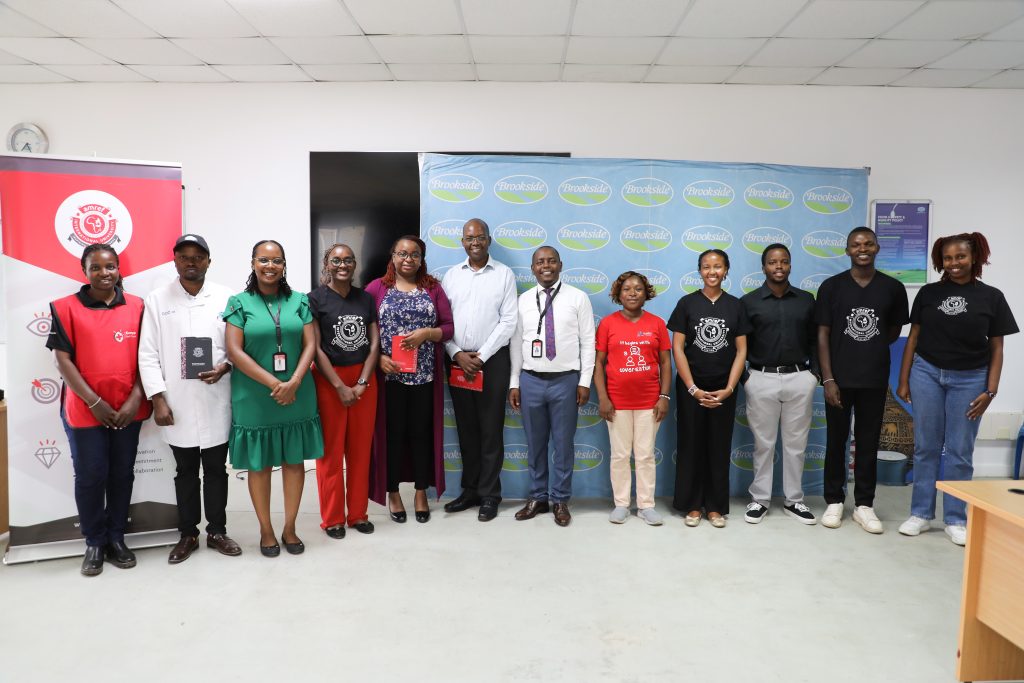
Amref International University (AMIU) Medical Centre continues to advance its commitment to community engagement and holistic wellbeing through strategic partnerships that promote health awareness beyond the university environment. In this spirit, the Medical Centre recently hosted a successful Mental Health Wellness Day for staff at Brookside Dairy Limited, creating an important platform for dialogue around mental wellbeing in the workplace. The engagement, held at Brookside’s premises, brought together staff members for an interactive and informative session focused on strengthening mental health awareness and equipping employees with practical tools to navigate everyday challenges that affect personal and professional wellbeing. The session was led by Dr. Hellen Opande, representing the Amref International University Medical Centre, alongside University Counsellor James Waceke, both of whom delivered insightful presentations addressing some of the most pressing mental health issues affecting modern workplaces. Addressing Critical Mental Health Topics During the session, participants explored several key themes that directly impact employee wellbeing and organizational health. These included: Addiction and substance use, examining how dependency can affect productivity, relationships, and personal wellbeing. Employment separation, providing guidance on managing transitions such as job loss, restructuring, or retirement. Maintaining healthy families for a healthier organization, highlighting the connection between stable home environments and workplace performance. Loss and grief, offering strategies to support individuals coping with bereavement and emotional transitions. The discussions encouraged open participation from Brookside staff, creating a safe environment where employees could ask questions, share experiences, and gain practical coping strategies. Student Engagement and Practical Learning The event also provided a meaningful opportunity for students to participate in community health engagement. Members of the AMIU Red Cross Society and the Mental Health Club supported coordination and participant engagement throughout the day. Their involvement reflected AMIU’s commitment to experiential learning, enabling students to apply their knowledge in real-world settings while contributing to meaningful health outreach initiatives. Strengthening Corporate Partnerships Through Health Outreach Mental health continues to gain recognition as a critical pillar of workplace productivity, employee retention, and overall organizational wellbeing. By bringing these conversations directly into corporate spaces, AMIU Medical Centre demonstrates the university’s broader role as a partner in advancing health promotion within communities and institutions. The collaboration with Brookside Dairy Limited underscores the value of academia–industry partnerships in addressing emerging health challenges while supporting employee wellbeing through evidence-based education and professional counselling expertise. A Strategic Opportunity for Visibility and Impact Beyond the immediate impact of the wellness session, the engagement served as a valuable opportunity to strengthen the visibility of the Amref International University Medical Centre and showcase its capacity to deliver professional health services to corporate partners. Through initiatives such as the Mental Health Wellness Day, the Medical Centre continues to position itself as a trusted provider of workplace wellness programs, counselling services, and preventative health education. The successful engagement with Brookside Dairy Limited highlights how strategic outreach initiatives can create shared value for both institutions and communities. For Brookside, the session reinforced the importance of prioritizing employee mental wellbeing as a cornerstone of a healthy and productive workforce. For AMIU, it presented a powerful platform to demonstrate the expertise, professionalism, and community-centered approach of the University’s Medical Centre. As AMIU continues to expand its partnerships with corporate and community stakeholders, such initiatives remain critical in strengthening relationships, building trust, and positioning the Medical Centre as a leading partner in workplace health and wellness. Ultimately, engagements like this not only enhance awareness of mental health but also reinforce AMIU’s mission of advancing health education, service, and impact across society. smm panel
Amref International University Monthly Bulletin – January 2026
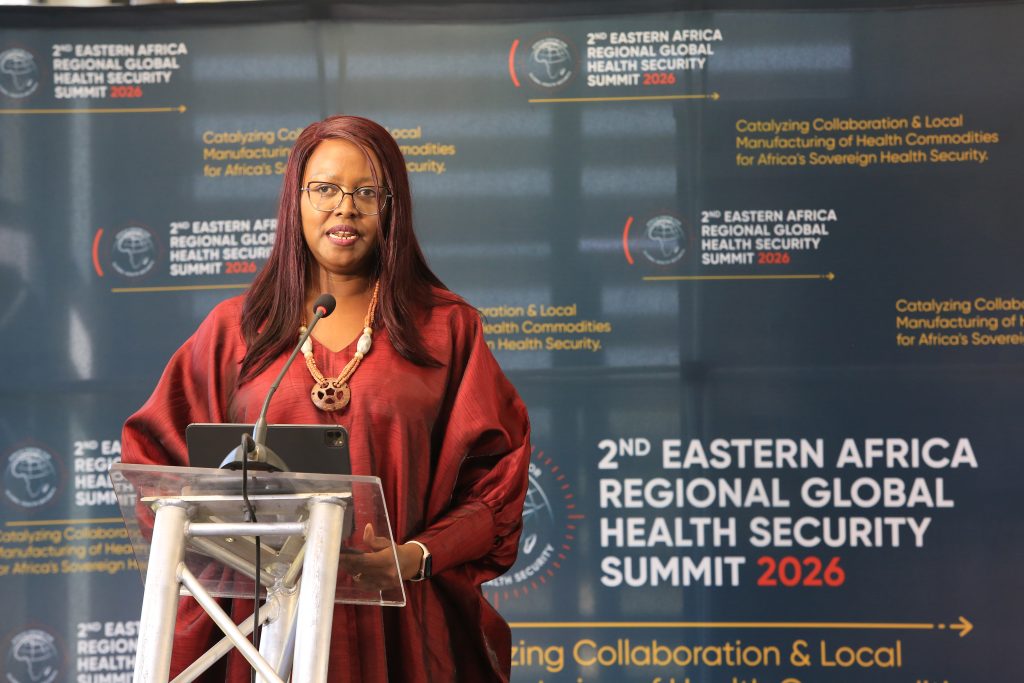
Overview As we welcomed 2026, AMIU began the year with renewed purpose, strategic global engagements, major regional convenings, student onboarding, and institutional collaborations that continue to strengthen Africa’s Primary Health Care ecosystem. From hosting international delegations to convening the Eastern Africa Regional Health Security Summit, January positioned AMIU at the center of dialogue, innovation, and leadership in health sciences education. Section 1: Featured News Eastern Africa Regional Health Security Summit (EARGHSS) 2026 Hosted at AMIU AMIU proudly hosted EARGHSS 2026, convening leaders from academia, government, and industry to advance resilient, future-ready health systems. Day 1: Building digital skills, collaborative leadership, and workforce resilience. Day 2: Advancing local manufacturing to reduce Africa’s dependency on imported vaccines and essential medicines. Day 3: Financing health security through blended, Africa-led capital solutions. The Summit reinforced AMIU’s role as a convener of continental health transformation dialogue. Countdown to the 2nd Primary Health Care Congress (4–6 March 2026) Registration momentum continued for the PHC Congress under the theme: “Redesigning Primary Health Care: Building Resilience Amidst Global Uncertainty.” Early bird registrations closed on 20 January 2026, with strong engagement from youth, students, and health professionals. Section 2: Department & Faculty Highlights Global Academic Exchange – University of Virginia Visit AMIU hosted a delegation from the University of Virginia, strengthening academic exchange and collaboration. A keynote lecture by Advocate Dona Anyona explored SRHR, maternal and child health, and policy discourse around the FGM Bill in East Africa. Novo Nordisk Fonden Leadership Visit The Board Vice Chair of Novo Nordisk Fonden visited AMIU’s Nursing Skills and Simulation Centre, engaging with faculty and students and reviewing advancement plans focused on strengthening nursing education and digital learning innovation. Section 3: Student Stories Welcoming the January Cohort – Class of 2026 AMIU officially welcomed its January 2026 cohort during Orientation Week at Northlands Campus. Led by the Registrar – Academic Affairs, the week introduced students to academic life, institutional values, and support systems that will guide their transformative journey in health sciences. Sports Spotlight – #TheStalwarts AMIU Men’s Team secured a commanding 3–0 victory over Riara University, reflecting discipline, resilience, and teamwork both on and off the pitch. Section 4: Partnerships & Collaborations Strengthened collaboration with the University of Virginia in global health and policy dialogue. Continued engagement with Novo Nordisk Fonden in advancing nursing and simulation-based education. Ongoing partnership momentum with Amref Health Africa in convening the upcoming PHC Congress 2026. These partnerships reinforce AMIU’s commitment to globally informed and locally grounded health solutions. Section 5: Community Outreach Higher Education Fair & Skills Expo AMIU participated in the Higher Education Fair and Skills Expo at Sarit Centre (29–30 January), engaging prospective students and families, sharing career pathways in health sciences, and promoting competency-based training for Africa’s health workforce. Section 6: Achievements & Milestones Successfully hosted a high-level regional health security summit. Strengthened global academic partnerships. Welcomed the Class of 2026. Advanced preparations for the 2nd PHC Congress. Continued expansion of AMIU’s visibility as a leader in digital health education and PHC training. Section 7: Closing Remarks January 2026 has set a powerful tone for the year ahead. Through collaboration, innovation, and leadership, AMIU continues to shape a resilient, self-reliant, and future-ready Primary Health Care workforce for Africa and beyond. Amref International University Developing fit-for-purpose leaders for Africa’s Primary Health Care. Northlands Campus, Nairobi 🌐 www.amref.ac.ke