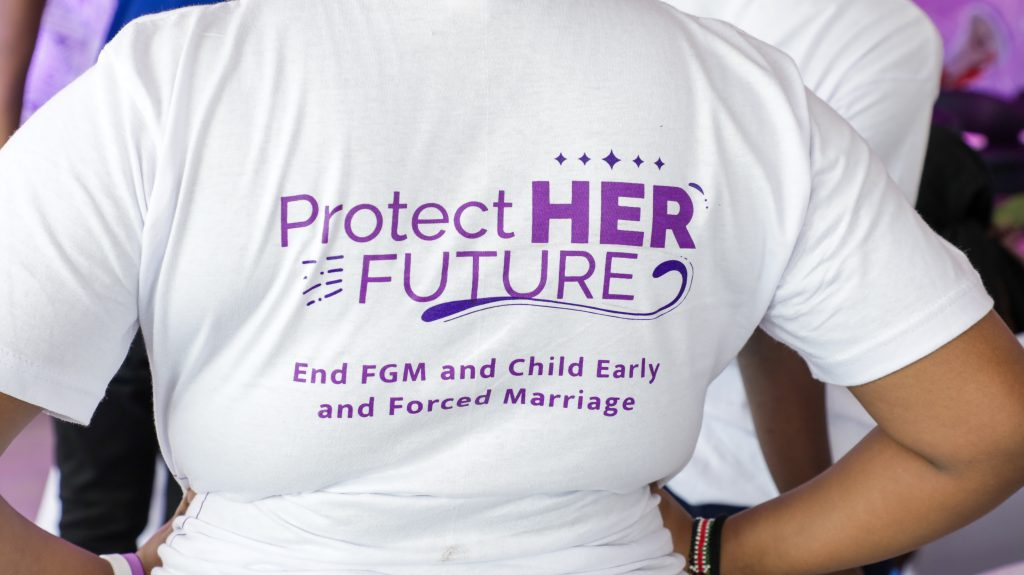
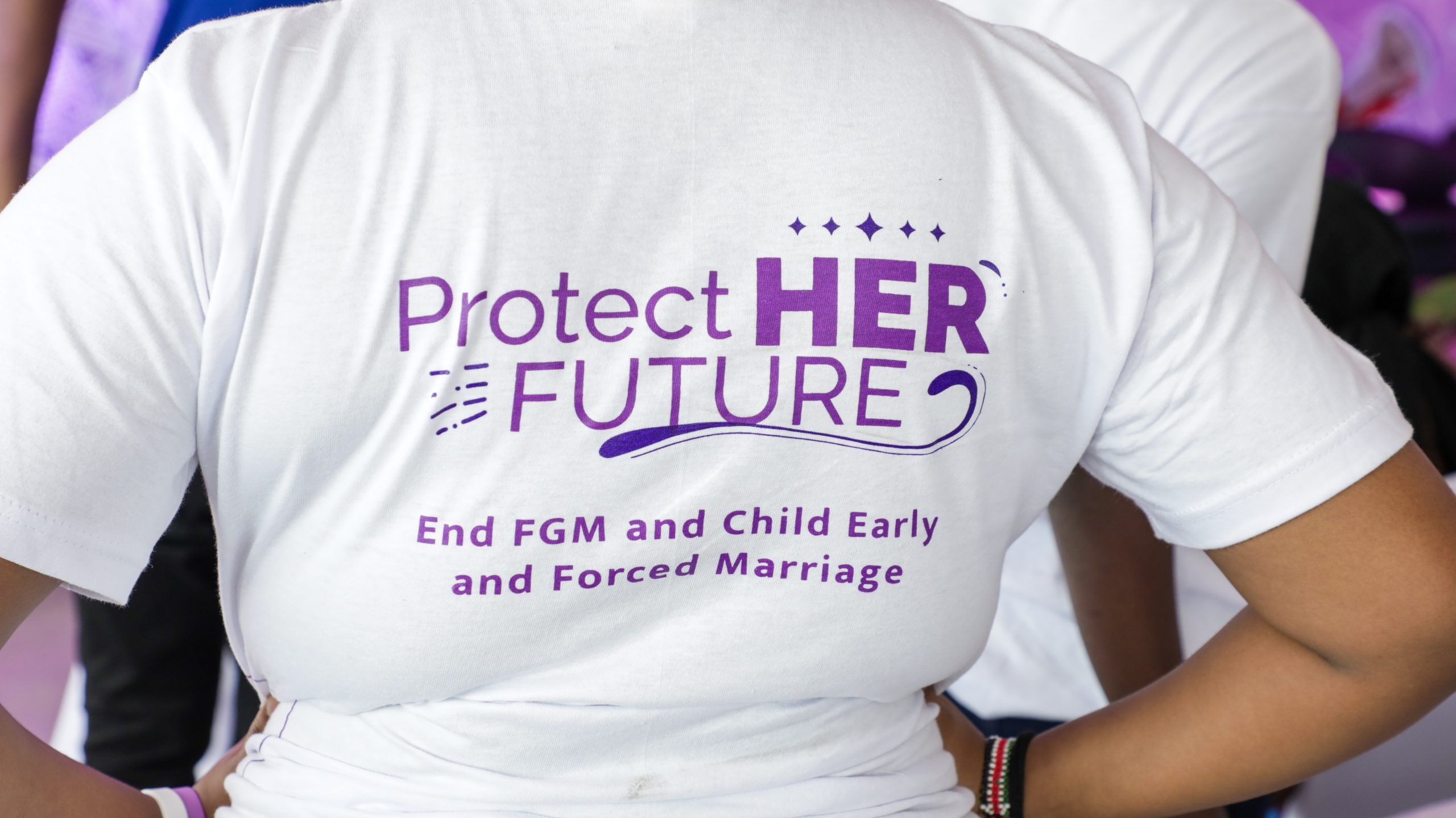
Walking towards the entrance of the event room, a vibrant young man stopped me. With a warm smile, he handed me two t-shirts- one purple, the other white and happily asked me to choose one. My friend besides me looked surprised too as she was offered the same choice. We were then led into the room.
I took a deep breath, held my chin up and slowly walked in, scanning the room for an empty table. The room was full of young people- young people laughing, talking, connecting and grooving to the uplifting Kenyan music playing in the background.
For a moment, I stood there taking it all in. Looking around that room, I found myself asking a question I had never really stooped to consider: what does an opportunity actually look like for us as young people?
When we hear the word opportunity, many of us immediately think of a scholarship, an internship, an entry-level job or funding for an idea. These are the doors we are taught to look for. But that day, I began to see opportunity differently.
Everyone present had access to the event’s information. Through the banquet-styled tables, people interacted and connected, friends were introduced to new acquaintances, and some found people with similar aspirations they could hold a conversation with. I was in a platform where I could access people and information, be heard and felt I could be trusted with responsibility.
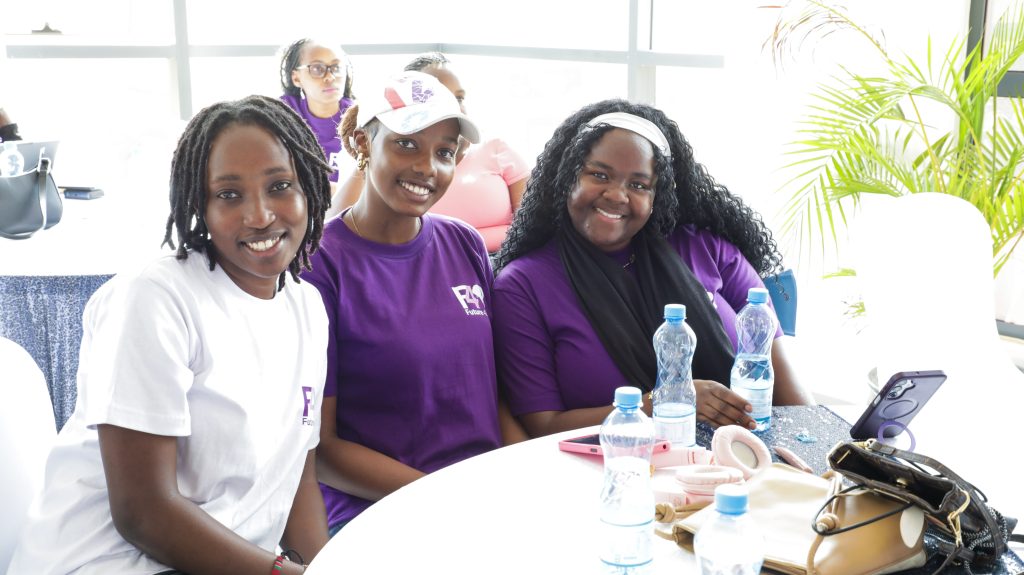
As a young person navigating school, career aspirations and a growing interest in public health, my thought on opportunity has often been something I have to search for. This day I walked in looking for a chance for growth but I left realizing we had created one.
What happens when a young person is given a platform?
From a poetic presentation from a lively young lady, the rhythmic flow of words brought an imagination of an FGM-related life, the fear and agony a young girl battles with in an affected community.
The platform given to her was a form of opportunity where she told a story, challenged harmful norms and influenced many people.
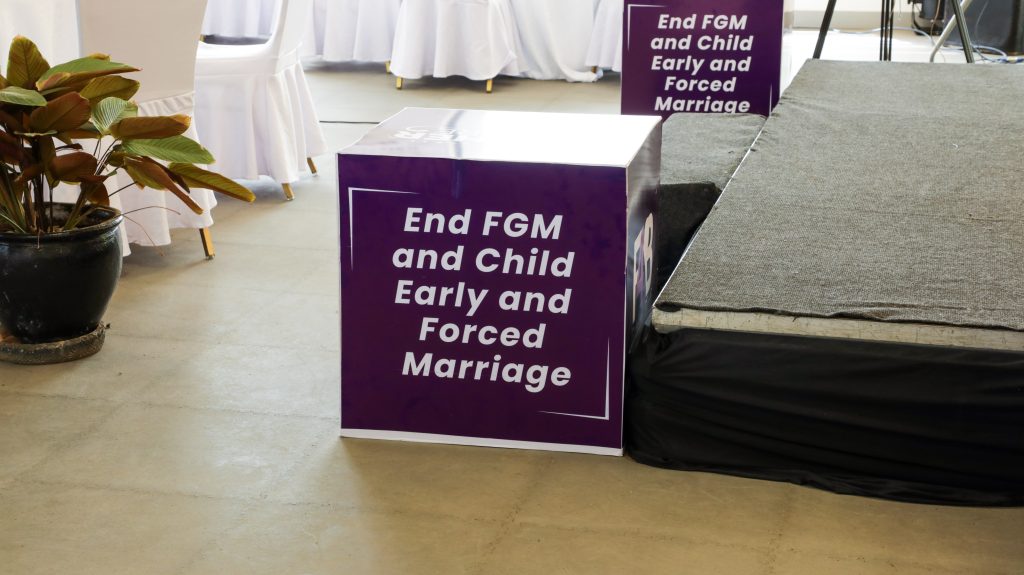
And perhaps that is what struck me most about the Future for Binti Social launch and podcast launch. Beyond the launch itself, there was something powerful about creating a room where young people could meet, listen, speak and imagine the kind of communities they wanted to see.
What does youth opportunity have to do with health?
As a health student, I have come to realize that opportunity and health are not separate conversations.
What young people have access to can shape how they navigate both their health and the communities they live.
That room reminded me that access is not always something tangible. Sometimes it is knowing the right person to ask, it is hearing information you did not know existed or meeting someone who has walked a path you are just beginning to explore.
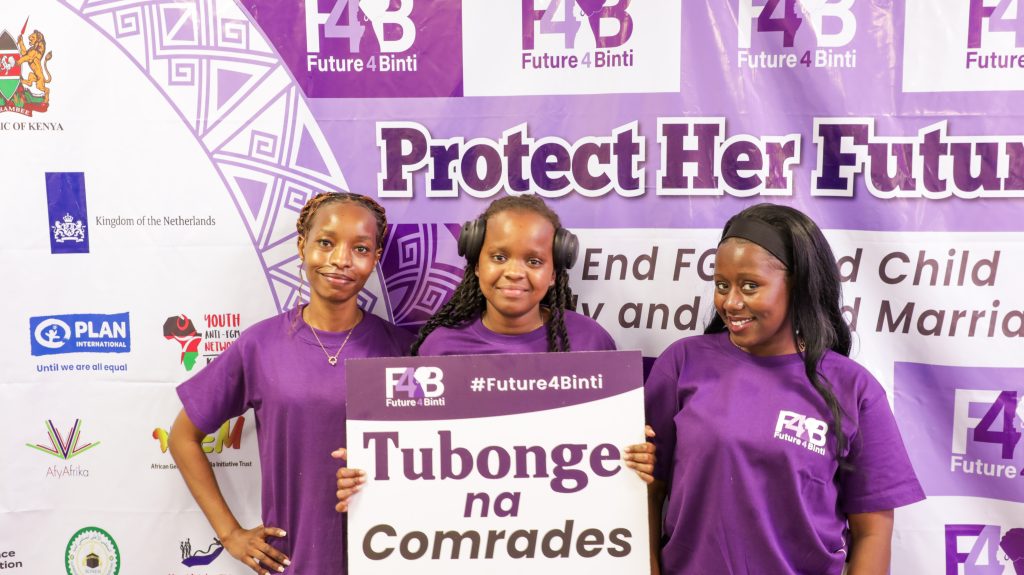
When they are also given spaces to participate, young people can move from simply receiving information to contributing to conversations, decisions and solutions within their communities.
But what happens when young people have aspirations but have no access to opportunities?
Perhaps the problem is not that young people lack ambition. Sometimes, we simply lack the doors through which that ambition can move.
We can have the ideas, the passion and the willingness to contribute, but without access to information, education, supportive networks, skills and spaces to participate, many of those aspirations can remain just that aspirations.
That is why the room I walked into that day stayed with me.
I had walked in looking for a chance for growth. Yet, as I watched young people connect, share ideas, listen to one another and take up space, I began to realize that opportunity does not always arrive as a job offer, a scholarship or a funding opportunity.
Sometimes, opportunity looks like a room.
A room where you meet someone who knows something you didn’t.
A room where you discover a possibility you had never considered.
A room where you are given a platform to tell a story.
A room where someone sees your potential and says, “You should try this.”
A room where young people are not simply spoken about, but are given the opportunity to speak, participate and shape the conversations that affect their lives.
Sometimes, opportunity isn’t the final destination, it is the door.
But doors only become meaningful when young people can find them, access them and are supported to walk through them.
As I reflect on International Youth Day, I find myself thinking beyond simply celebrating young people for their energy, creativity and potential.
We should also ask ourselves: What doors are we creating for them? And who is still standing outside?