
MAPS Summer School 2025: Developing Policy-Oriented Research on Migration and Displacement in Sub-Saharan Africa
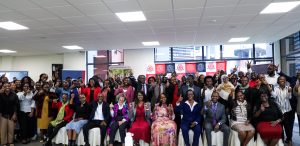
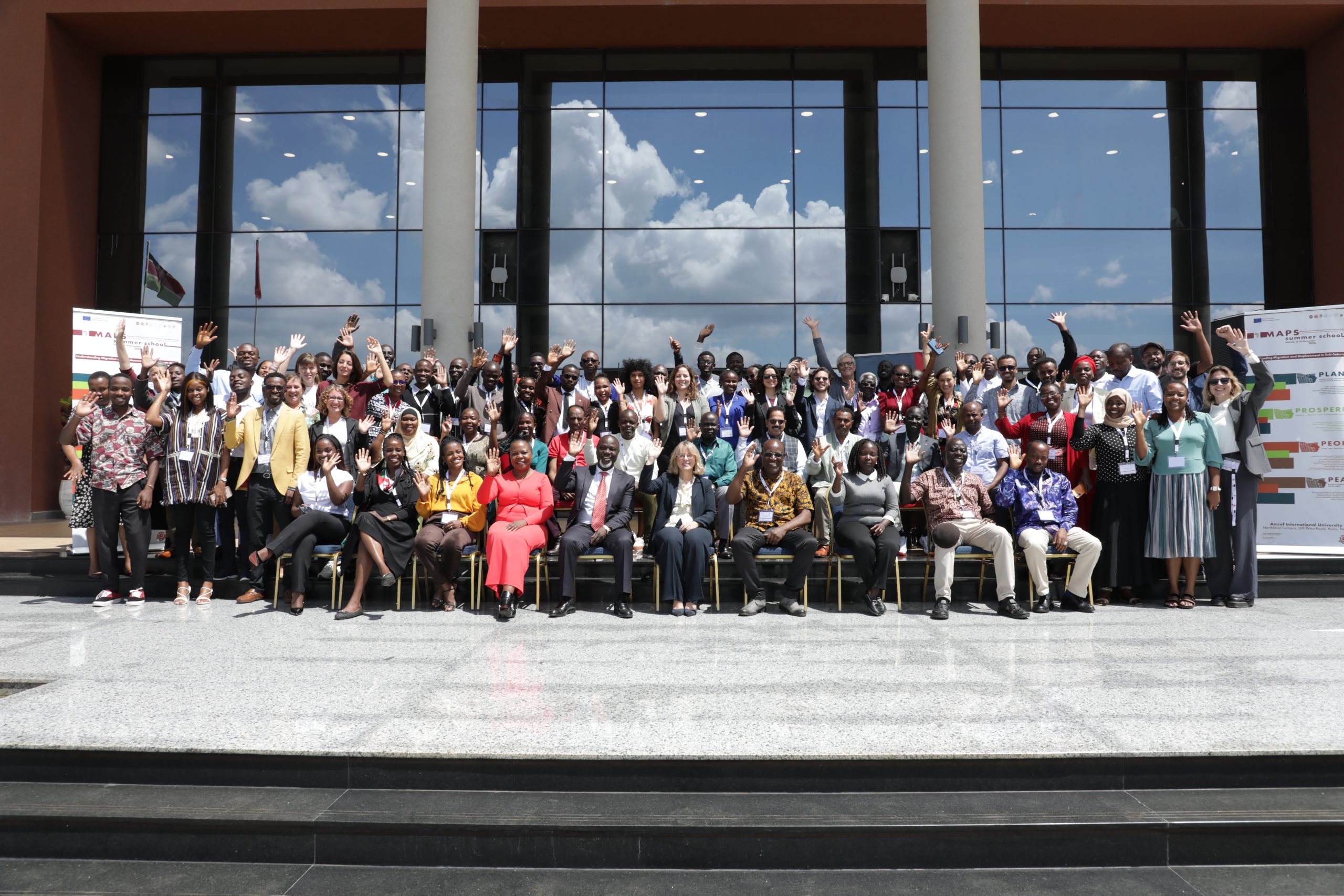
Hosted by Amref International University (AMIU) in Nairobi and co-funded by the European Union, the inaugural MAPS Summer School brought together young researchers, policy thinkers, and migration practitioners from across Africa and Europe for a transformative week of learning, collaboration, and multidimensional exploration of migration and forced displacement.
Held from 10th–14th November, the Summer School was designed to deepen understanding of migration as a global, interconnected, and constantly evolving phenomenon. Across five thematic pillars : Planet, Prosperity, People, and Peace ; participants engaged with international scholars, participated in field activities, and co-created knowledge meant to inform policy and practice in Sub-Saharan Africa.
DAY 1 PEOPLE & PURPOSE: Understanding Migration and Displacement in Sub-Saharan Africa
The Summer School opened with remarks from Prof. Joachim Osur, Vice Chancellor of AMIU, who underscored the urgency of building a research-grounded, Africa-led understanding of migration.
Day 1 introduced participants to the foundations of migration studies through two framing sessions:
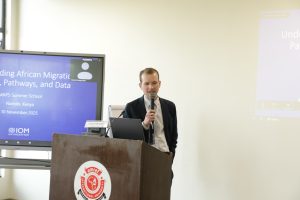
- Session 1: Understanding African Migration – Patterns, Pathways, and Data, highlighting regional movement, drivers, and evidence gaps.
1.Most regular migration occurs within Africa- Africa’s migrant stock is more youthful than global average
2.Irregular movements along mixed migration routes occur across the continent for a variety of reasons with diverse populations
- Irregular journeys are often perilous and subject to heightened protection risks and vulnerabilities
3.Displacement is another key driver of mobility across the continent with conflict and, increasingly, disasters triggering movements
- Pathways towards sustainable solutions are critical to ensure durable outcomes for displaced populations.
Session 2: Migration & Displacement – Definitions, Phenomena, and Theories, exploring global health implications and migration trends across Southern, Eastern, and Western Africa.
Overview: Stephen Castles and Mark Miller in their book (2020) define The Age of Migration as the general transformation of global economy and its influence on push and pull factors behind international migrations
- Global scales economy
- Improved transportations, communications, dissemination of information
- Growing international mobility of capitals and trades
- Increasing manufacturing economies in middle-low income countries
- High workers mobility following growth of informal, flexible or precarious labor market
- Micro-electronics and digital revolution and reduction of manual work
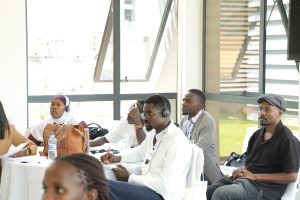
This first pillar established a shared vocabulary and intellectual grounding for the days to follow.
DAY 2 PLANET: Climate Change and Mobility
Under the Planet theme, Day 2 examined the deep linkages between environmental change and population movement.
Participants engaged in:
1. Shared Conceptual Frameworks explaining the climate–migration nexus. Major Frameworks included:
PREVENTING
a. The Sendai Framework
for Disaster Risk Reduction (2015-2030)
Goal: Prevent new and reduce existing disaster risk through a multi-hazard and inclusive approach
b. The Paris Agreement (2015)
Goal: limiting global warming to well below 2 degrees Celsius compared to pre-industrial levels
MANAGING
a. 2030 Agenda for Sustainable Development (SDGs)
Goal: universal call to action to end poverty, protect the planet, and ensure that all people enjoy peace and prosperity by 2030
b. The Global Compact for Safe, Orderly and Regular Migration (2018)
Goal: create a framework for international cooperation on migration, based on a set of common principles and objectives.
PROTECTING
a. The Global Compact on Refugees (2018)
Goal: support host communities and foster productive (self-reliant) lives for refugees.
b. The Platform on Disaster Displacement
Goal: implement effective strategies to protect people displaced across borders in the context of disasters and climate change.
2. Climate Change & Natural Resources, a critical look at pressures on land, water, and livelihoods.
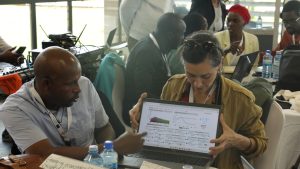
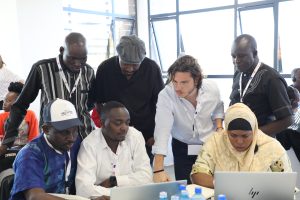
Purpose of this role play during the session was to use En-ROADS to simulate policy choices and understand their effects on global climate outcomes.
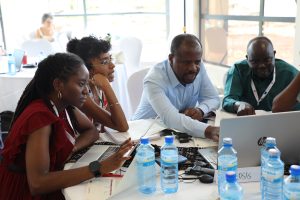
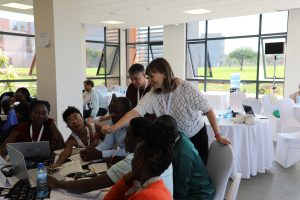
A dynamic afternoon role-play on Climate Action, Migration, and Global Cooperation allowed participants to simulate negotiation, adaptation planning, and collaborative governance , bringing theory to life.
3. Rural–Urban Migration Driven by Climate Stressors, analyzing patterns of adaptation and vulnerability.
- Overview:
Environmental deterioration, rural poverty ,policy inadequacies, and growing urbanization all play a role in Tanzania’s climate-induced migration.
Addressing these difficulties will necessitate coordinated, multi-sectoral solutions that view migration not only as a problem, but also as available adaptive response when supported by proper infrastructure, governance, and social protection
- Predictive Models for Climate-Related Migration, exploring tools that anticipate displacement and support proactive planning.
DAY 3 PROSPERITY: Economic and Social Dimensions of Migration
Day 3 focused on how migration shapes prosperity at individual, community, and national levels.
Sessions included:
- Economy: Migration decisions, labour dynamics, and fiscal impacts across Sub-Saharan Africa.
- Welfare: Equal access to urban services and the right to the city, informed by research on social and health service access indicators.
- Housing & Land: Housing rights and urban integration, exploring affordability, informality, and displacement within rapidly urbanizing settings.
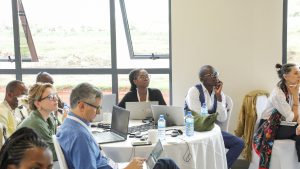
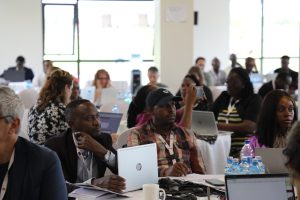
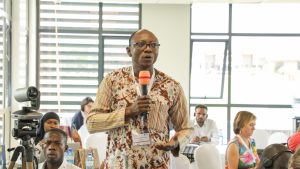
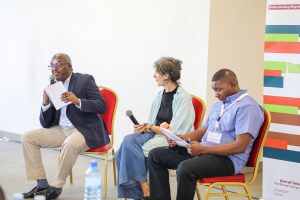
This pillar emphasized how inclusive economic and urban policies are essential to fostering shared prosperity for both migrants and host communities.
DAY 4 PEOPLE: Migration, Mental Health & Human Experiences
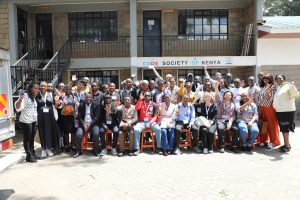
With a focus on the lived realities of migration, Day 4 brought participants into Nairobi’s community spaces for immersive field visits.
They visited:
- Kivuli Centre, where displaced youth convert recycled materials into art, technology, and opportunity.
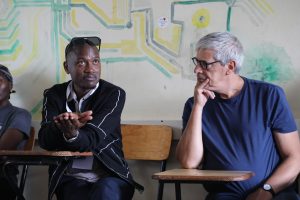
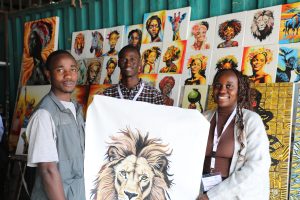
- Mama Pendo Africa, a collective where refugee women turn craft into empowerment, weaving resilience into every product.
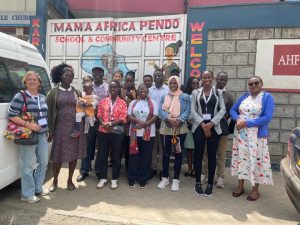
- HIAS Refugee Trust of Kenya, an environment where psychosocial support, education, and entrepreneurship restore dignity and belonging.
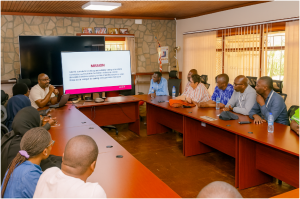
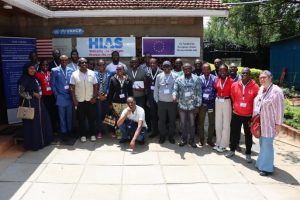
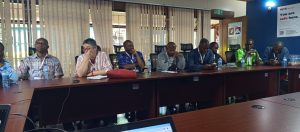
The afternoon continued with sessions on Migration & Mental Health and a working group discussion on Gender, Health, and Generational Dynamics, highlighting the emotional and interpersonal dimensions of mobility.
DAY 5 PEACE: Policies, Practices, and Governance
The final day spotlighted the policy landscape guiding migration systems in Africa.
Key engagements included:
- EU–Africa Cooperation on Migration and Asylum Policy, examining shared priorities, responsibilities, and governance frameworks.
- Dialogue with Local Stakeholders, bringing in community voices and practical realities of migration management.
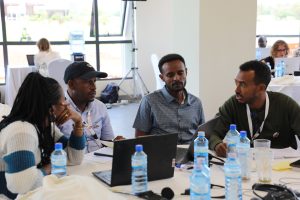
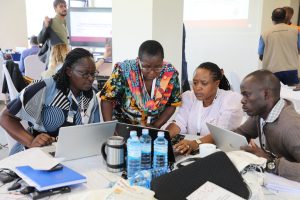
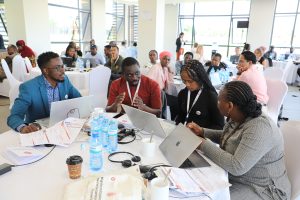
- Interactive Subgroup Discussions, where participants co-designed peace-driven policy insights and actionable recommendations.
This final pillar reinforced that sustainable migration governance hinges on cooperation, inclusion, and a commitment to human dignity.
LOOKING AHEAD: Building a Stronger Future for Migration Research in Africa
After five days of rich exchange, deep reflection, and collaborative learning, the 2025 MAPS Summer School closed with a renewed call to build evidence-driven, locally grounded, and human-centered migration policy across Sub-Saharan Africa.
This first edition marks the beginning of a long-term commitment to strengthening policy-oriented migration research across the continent.
We invite scholars, practitioners, students, and partners to stay tuned for the next edition of the MAPS Summer School ; where new insights, new networks, and new solutions will continue to shape the future of migration research in Africa.