
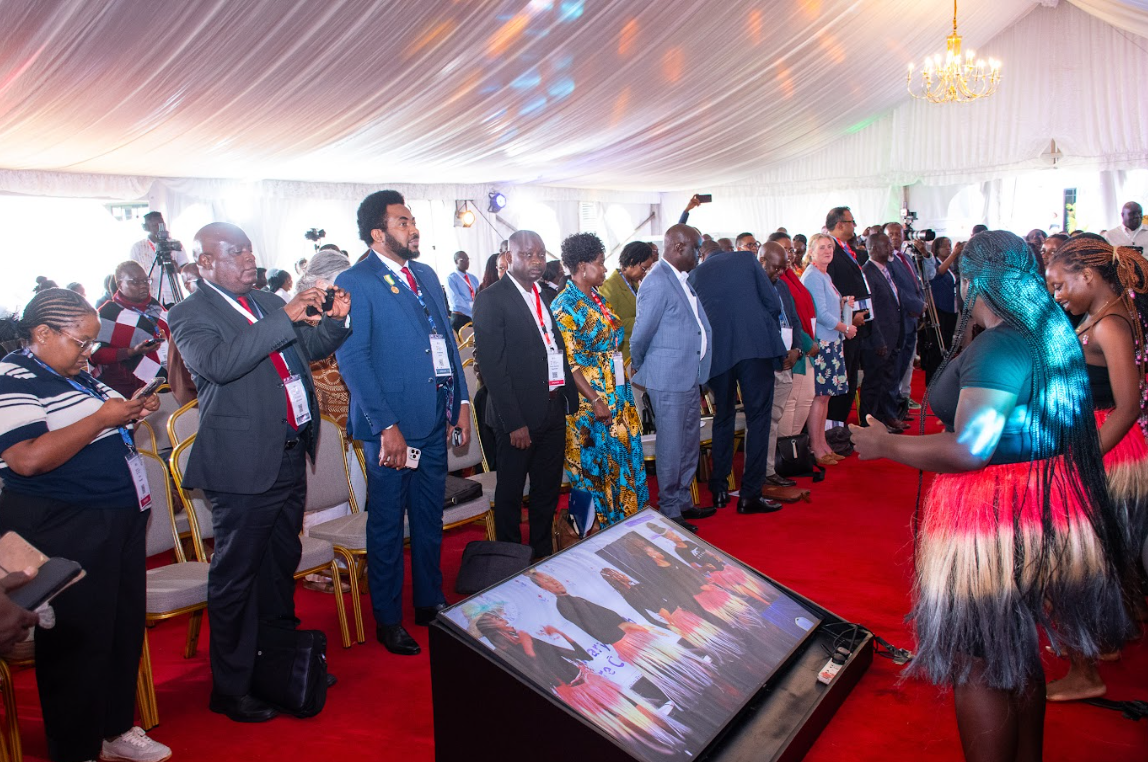
Leaders from government, academia, development partners, and the health sector gathered in Nairobi for the opening day of the 2nd Primary Health Care Congress, reaffirming the central role of Primary Health Care in delivering Universal Health Coverage across Africa.
The Congress has brought together policymakers, health practitioners, researchers, and development partners to reflect on the progress made in strengthening Primary Health Care systems while identifying practical steps needed to accelerate impact across the continent. Discussions throughout the day emphasized that strong community-based health systems remain the most effective way to improve health outcomes, detect health threats early, and ensure equitable access to care.
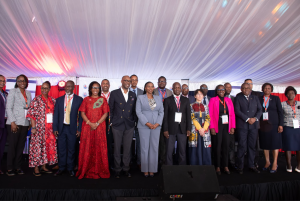
Opening remarks highlighted the importance of sustained leadership and investment in Primary Health Care as the backbone of resilient health systems. Participants acknowledged the growing recognition that health systems must place greater emphasis on prevention, community engagement, and early intervention if countries are to reduce the burden of disease and protect households from catastrophic health costs.
Kenya’s recent health sector reforms were cited as an important example of policy commitment to strengthening Primary Health Care. The introduction of the Primary Health Care Act, the Digital Health Act, the Facility Improvement Financing Act, and the Social Health Insurance Act signals a renewed effort to strengthen health governance, improve service delivery, and expand access to essential health services.
Speakers also highlighted the critical role of community health systems in extending services to the household level. Community Health Promoters were recognized as an essential link between health facilities and communities, particularly in areas where access to services remains limited. Strengthening this frontline workforce was widely seen as central to building more responsive and resilient health systems.
Financing for Primary Health Care also featured prominently in the day’s discussions. Participants called for stronger domestic investment in health systems alongside sustainable financing approaches that ensure resources reach frontline facilities and communities where they are most needed.
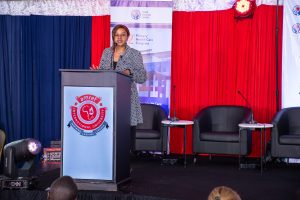
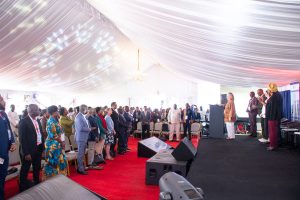
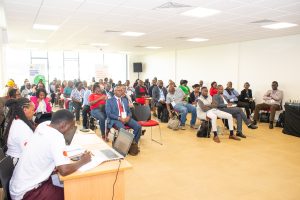
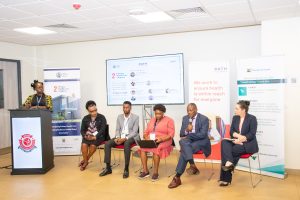
The role of universities and research institutions in strengthening Primary Health Care was also emphasized. Academic institutions were encouraged to continue generating evidence, supporting workforce development, and contributing to policies that respond to the evolving health needs of communities.
Throughout the opening sessions there was broad agreement that stronger collaboration between governments, academia, development partners, and communities will be essential to accelerate progress toward Universal Health Coverage.
The 2nd Primary Health Care Congress continues through 6 March 2026 and will feature further discussions on leadership, governance, financing, innovation, and workforce development for stronger Primary Health Care systems across Africa.